Mexico’s Non-FTA Duties Rose Twice in 2026, With Rates of 5% to 50% and Then 5% to 35%
Mexico's December 2025 decree and an April 2026 follow-on raised duties on goods from countries without a free trade agreement, with December rates of 5% to 50% and April rates of 5% to 35%.
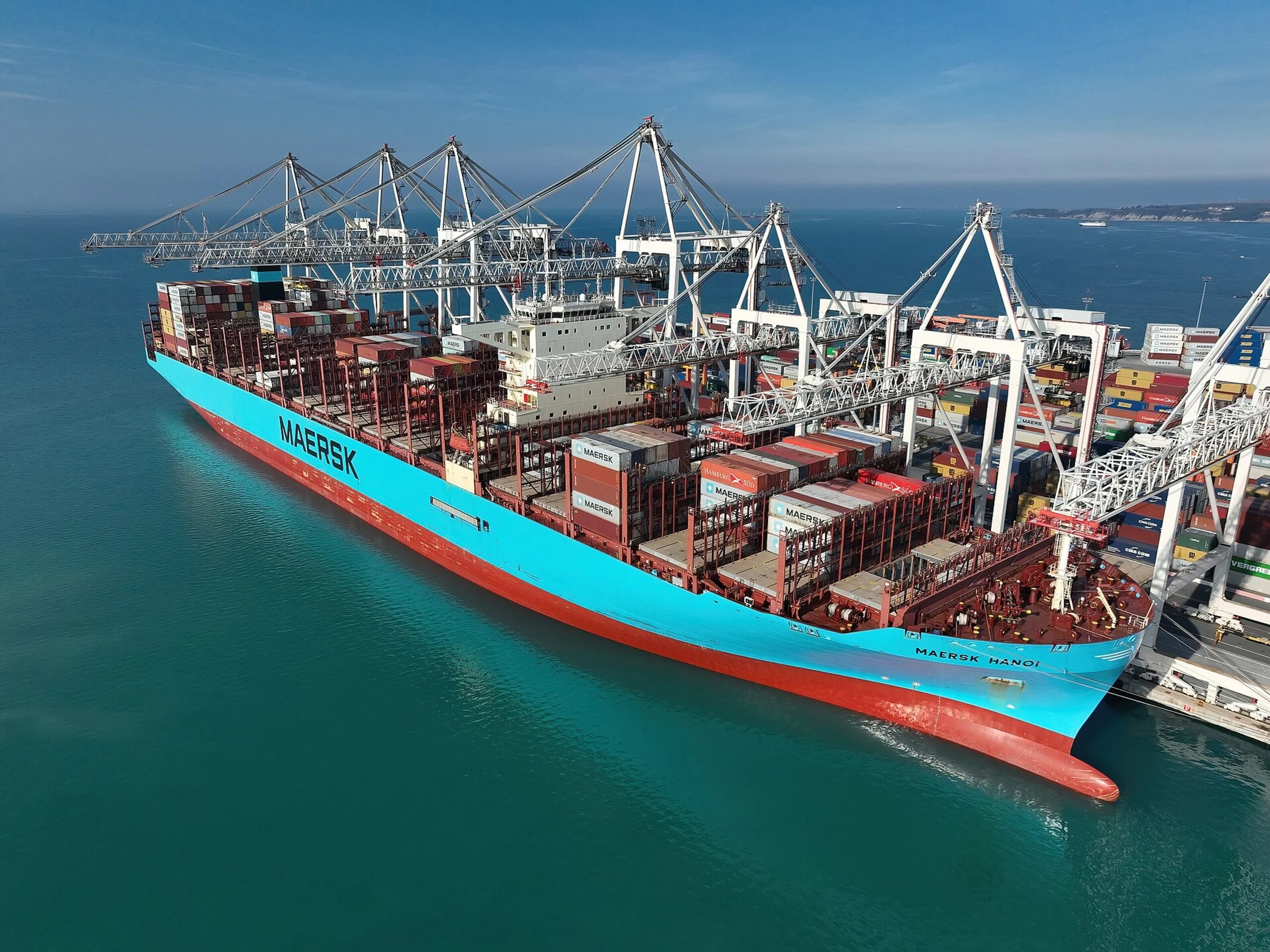
Mexico raised import duties on goods from countries without a free trade agreement in two steps during 2026. Expansion reported that a decree was published in the Diario Oficial de la Federación by Dec. 29, 2025, and took effect on Jan. 1. A second decree, published April 23, added duties on 185 tariff classifications from April 24.
Both measures apply to goods originating in countries that lack a trade agreement with Mexico. Goods from free trade partners keep preferential treatment when they meet the applicable rules of origin, according to Baker McKenzie. A separate decree on basic foods also changed duty treatment in the same period.
A December Decree Took Effect on January 1
Expansion describes the first decree as covering 1,463 tariff fractions, with duty rates from 5% to 50%. The article says the measure spans 17 sectors and names perfumes, cosmetics and personal hygiene products, plastics, paper and packaging, aluminum, textiles, footwear and leather goods, automobiles and auto parts, toys and household appliances.
Thomson Reuters reports that Mexico’s Senate voted 76-5 on Dec. 10, 2025, with 35 abstentions, to approve the bill. The report says the bill has since cleared both chambers of Congress and gives Jan. 1, 2026 as the effective date. Certain products, such as autos, auto parts, textiles, clothing, plastics and steel, face rates of up to 50%. The report links to the draft decree.
Expansion also notes that the Secretaría de Economía may apply specific legal instruments to imports from non-FTA countries.
Key Figure
The April 23, 2026 decree covers 185 tariff classifications under Mexico’s LIGIE, with duties of 5% to 35%, according to Baker McKenzie.
Sources Differ on Top Rates and Listed Countries
The sources differ on the top rate. Thomson Reuters says most other products are capped at 35%. Expansion gives 50% as the maximum but says the sector-specific rates it cites top out at 36%.
Thomson Reuters ties the 50% ceiling to certain products, and Expansion ties its rates to specific sectors.
The country lists also vary. Thomson Reuters names China, South Korea, Vietnam, Thailand and Indonesia as examples and refers to several other Asian economies. Expansion names China, South Korea, Brazil and Russia, presenting them as examples too.
Neither source gives an expiry date for the increase.
A Second Decree Added 185 Tariff Lines in April
Baker McKenzie reports that the decree was published in the Official Gazette on April 23, 2026, and entered into force the next day. It sets duties of 5% to 35% on goods under 185 tariff classifications in the General Import and Export Duties Law, known as LIGIE.
Baker McKenzie describes the measure as an increase to the general import duty for certain goods. The covered goods include chemical products, cosmetics, paper and cardboard, textiles, steel, aluminum manufactures, auto parts, electrical equipment, bicycles, musical instruments and furniture.
The higher duties apply only to goods originating in countries with which Mexico has no free trade agreement. Compared with the December decree’s 1,463 fractions, the April decree covers 185 lines and tops out at 35%.
Both product lists include cosmetics, paper and cardboard, aluminum, textiles and auto parts.
Basic Food Exemptions Ended in the Same Period
A separate decree dated Dec. 30, 2025, in Mexico City amends an earlier decree that exempted import duties on basic goods. Its first article removes the exemption for specified tariff fractions. These include live cattle (0102.29.99), beef (0201 and 0202), pork (0203), tilapia (0304.61.01), milk and cream (0401 and 0402), dry beans (0713.31 to 0713.39), rice (1006.10.99), certain soybean, sunflower, safflower and cottonseed oils (1507.90.99 and 1512.19.99) and sausages (1601.00.03).
Under the official text, the first article takes effect on Jan. 1, 2026. The rest of the decree takes effect on publication in the Diario Oficial de la Federación. The text names Secretary of Economy Marcelo Luis Ebrard Casaubon among its signatories.
The benefit the decree extends to basic goods is valid through Dec. 31, 2026. Companies registered under the decree that show contracts signed in that period can keep applying the benefit until March 31, 2027, if they file the contracts with the SAT by Jan. 8, 2027.
Mexico raised import duties on goods from countries without a free trade agreement in two steps during 2026.
Preferential Rates Stay for Free Trade Partners
Baker McKenzie says goods from free trade partners keep preferential tariff treatment when the applicable rules of origin are met. The April decree also amends Article 5 of the PROSEC decree, confirming preferential duties for certain items in the electrical, electronics, and automotive and auto parts industries.
Expansion and Thomson Reuters both describe the December decree as applying to countries without free trade agreements with Mexico. Baker McKenzie describes the April decree the same way.
Importers claiming a preferential rate therefore need to establish origin under the applicable rules. The rate follows the origin of the goods as set out in each decree.
Key Dates Across the Two Decrees
The first decree’s sequence runs from the Senate vote on Dec. 10, 2025, to publication by Dec. 29 and effect on Jan. 1, 2026. The food-related decree is dated Dec. 30, 2025, and its first article takes effect on Jan. 1, 2026. Its filing deadline for contracts signed in 2025 was Jan. 9, 2026, with benefits allowed until March 31, 2026.
The second decree was published April 23, 2026, and took effect April 24. Thomson Reuters gives Jan. 1, 2026 for the December decree, and Baker McKenzie gives April 24, 2026 for the second, so the two measures took effect at different times in the same year.
For contracts signed during the food decree’s validity period, the benefit window closes March 31, 2027, with SAT filings due by Jan. 8, 2027. The benefit itself is valid through Dec. 31, 2026.