What Canada’s New ‘Associate Member’ Status Would Mean for the EU
Brussels has offered Canada a status that exists nowhere in EU law, tying trade, defence and technology together as Ottawa pulls away from Washington.
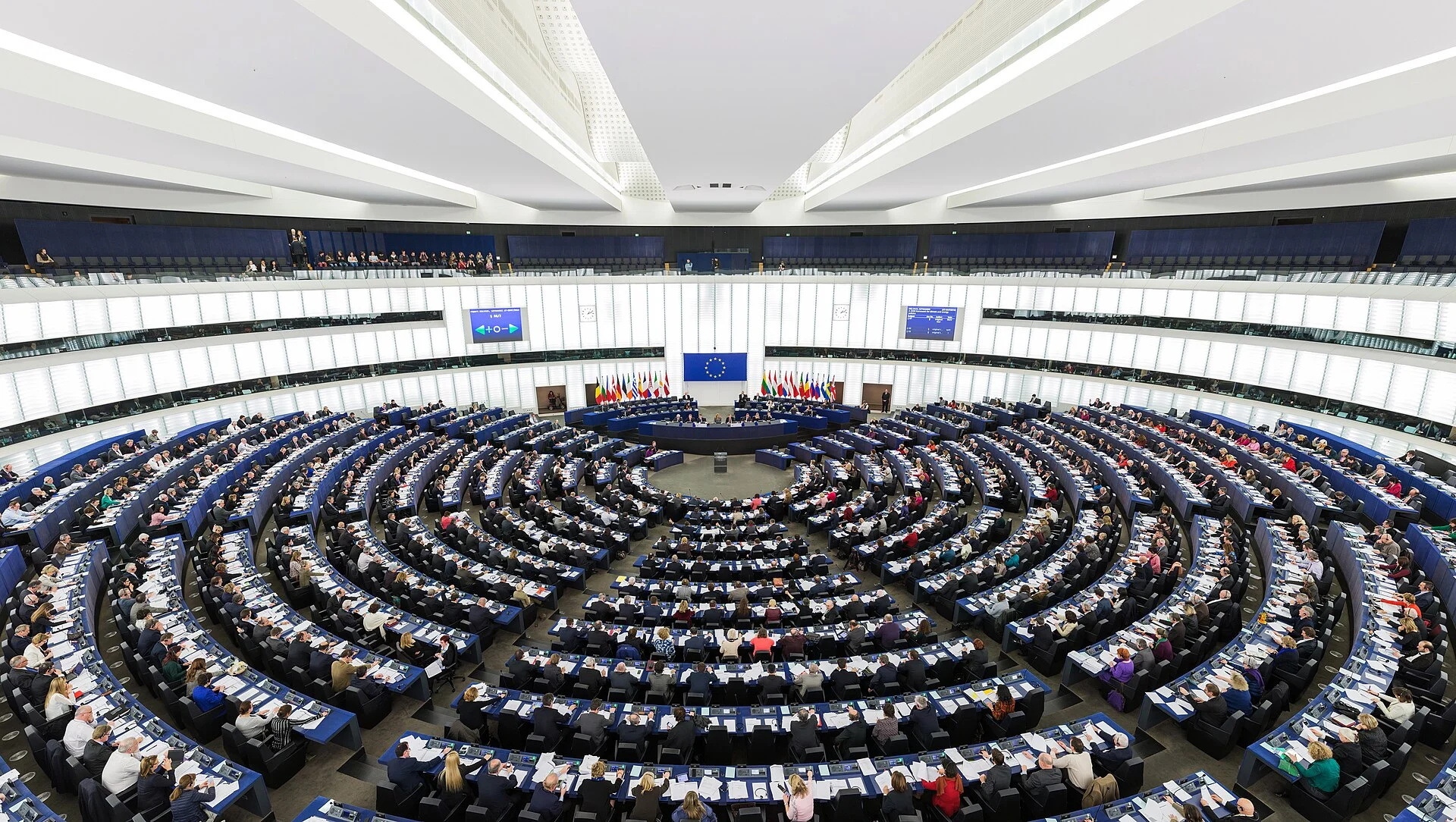
European Commission President Ursula von der Leyen used her State of the Union address in Strasbourg on September 16 to propose that Canada become the European Union’s first “associate member,” with Canadian Prime Minister Mark Carney seated in the chamber. “I would like to work with you on opening the door for Canada to be the first associate member of the EU,” she told lawmakers.
The offer would extend cooperation well beyond the trade deal the two sides already have, into technology, energy, critical minerals and defence. But “associate member” is not a status that exists anywhere in EU treaties, and Canadian officials have already signaled they are not close to agreeing on what it would actually involve.
A Status With No Definition in EU Law
The EU’s founding treaties do not contain a category called “associate member.” Article 217 of the Treaty on the Functioning of the European Union allows the bloc to sign association agreements with third countries, but it sets no fixed template for what those agreements must contain. Full membership, under Article 49 of the Treaty on European Union, is open only to a “European state,” a geographic bar Canada does not clear.
Any new arrangement with Canada would have to be negotiated as a treaty under Article 218 TFEU, requiring unanimous approval from EU member states and consent from the European Parliament. On its own, the label would not confer EU citizenship, free movement rights or a seat inside EU institutions for Canadians.
The closest existing comparisons illustrate how wide the range could be. Iceland, Liechtenstein and Norway sit in the European Economic Area, participating extensively in EU internal-market rules through joint institutions while staying outside the customs union. Canada’s current deal, the Comprehensive Economic and Trade Agreement, or CETA, gives preferential trade access and limited professional mobility but far less regulatory integration than the EEA model.
CETA’s First Five Years
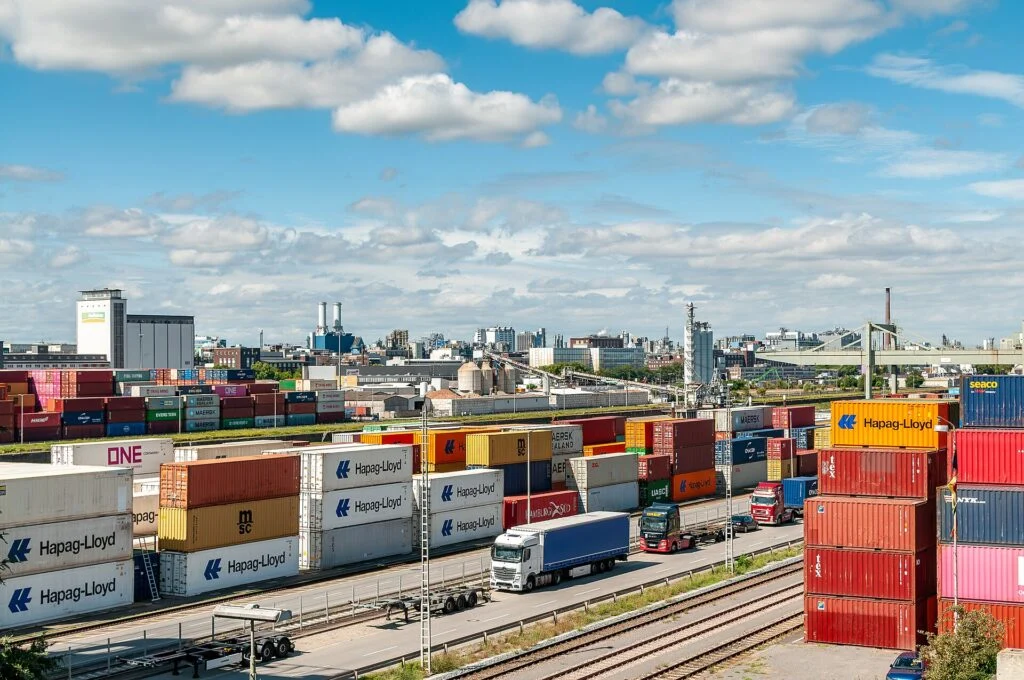
The European Commission says that in CETA’s first five years of provisional application, EU goods exports to Canada rose 26%, supporting about 700,000 jobs in the EU, while the number of small and midsize EU firms exporting to Canada grew 44%.
From a Trade Deal to an ‘Alliance for the Future’
Von der Leyen framed the proposal as a move “from CETA to an Alliance for the Future,” aimed at building what she called a common prosperity and economic security space. CETA itself has applied provisionally since 2017, and the European Commission credits it with real trade growth: in the agreement’s first five years, EU goods exports to Canada rose 26%, exports supporting roughly 700,000 jobs in the EU, while the number of small and midsize EU exporters selling into the Canadian market grew 44%.
The new alliance is pitched as going further. Officials have pointed to cooperation on advanced and intelligent manufacturing, integrated defence industrial bases, energy and critical minerals, batteries, artificial intelligence, quantum computing, cybersecurity, and joint Arctic projects. None of those areas is spelled out in binding legal text yet; they describe the ambition, not a signed agreement.
Tariffs From Washington Set the Timing
The proposal lands weeks after US-Canada trade talks collapsed. Carney said he was “walking away from a bad deal” after recalling negotiators to Ottawa in late August. He pointed to three sticking points: unresolved disputes over Canadian content rules and tariffs on autos, including Washington’s refusal to extend relief to heavy trucks built in Ontario; a US push to limit Canada’s ability to strike trade deals with other countries; and US demands touching Canadian protections for language and culture.
“The U.S. introduced, in the last hours, efforts to restrict our ability to have other trade deals,” Carney said, adding that Washington also sought “efforts to restrict our protections of our language, our culture, and in effect, our sovereignty.” A 25% US tariff on vehicles assembled in Ontario had already been in place since 2025, and a 50% tariff on other Canadian goods, earlier delayed, was ultimately put into effect.
Carney has said he wants to double Canada’s non-US trade over the next decade.
“Associate member” is a phrase with no legal definition anywhere in the EU’s treaties.
Defence Ties Already Ahead of the Politics
Some of the deeper integration the EU is now describing in trade terms is already happening in defence. Canada and the EU signed an agreement on February 14, 2026 allowing Canadian companies and Canadian-made products to take part in procurement under SAFE, the EU’s joint-procurement instrument for financing large-scale defence investment. The Council of the EU formally concluded that agreement on June 15, 2026, making Canada the first non-European country granted access to the program.
That step predates the associate-member proposal and shows the two sides were already moving toward closer industrial ties before von der Leyen’s speech, even as the trade relationship’s future status remains unsettled.
Doubts on Both Sides of the Atlantic
Canadian officials have been careful to lower expectations. Jonathan Wilkinson, Canada’s ambassador to the EU, said the label mattered less than the substance behind it: “We are not looking to be a member of the European Union, because that is a sovereignty issue and people give up certain portions of their sovereignty.” He added that Canada wants “to get as close as we possibly can in a manner that’s going to actually strengthen all of our respective countries without giving up significant chunks of sovereignty.”
Carney’s office has said Canada is not seeking formal EU membership and wants to define the new arrangement jointly, describing it as a unique approach built on shared values rather than a fixed template. Conservative opposition leader Pierre Poilievre raised concerns that closer integration could mean Canadian taxes flowing to EU budgets, compliance with Brussels regulations, or ceding control over immigration policy, saying: “We want Canada to have free trade with Europe…but we never surrender our independence.”
On the EU side, one diplomat has privately called the plan too vague, telling Reuters von der Leyen was “overpromising and won’t be able to deliver,” and EU officials have separately pointed to Canada’s continued protection of sensitive sectors such as telecommunications and dairy from full liberalization under CETA. Both sides have pointed to a Canada-EU summit planned for late October in Montreal as the moment when the vague language of Strasbourg would need to become a concrete negotiating text.
Photo: Diliff · CC BY-SA 3.0 · via Wikimedia Commons