How Diller’s $18 Billion MGM Bid Collapsed Under Debt and Vegas Weakness
Barry Diller's $18 billion take-private bid collapsed as high debt levels, weak Las Vegas demand, and elevated borrowing costs became too expensive to overcome.
People Incorporated, controlled by Barry Diller, withdrew its proposal to acquire all public shares of MGM Resorts International on September 23, 2026, ending a take-private bid valued at roughly $18 billion. The offer of $48.30 per share had been on the table since early June.
The withdrawal exposed the limits of financing large-scale casino acquisitions in the current economic environment. Although People Incorporated retains its 27% stake in MGM (66.8 million shares), Diller’s decision to step back underscores how difficult financing conditions have become, even for a sophisticated buyer with deep resources and a long-term interest in the asset.
Diller’s Six-Year Bet on MGM
Diller’s interest in MGM began in 2020, when People Inc. (then known as IAC) acquired a 12% stake during the pandemic downturn. At the time, Diller cited online gaming as his key strategic interest, looking beyond MGM’s core hospitality business to expand People Inc.’s exposure to digital and gaming revenue streams. Over the following six years, People Inc. accumulated shares steadily, more than doubling its initial position to 26.1% ownership before announcing the take-private bid in June 2026.
The $48.30-per-share proposal valued the entire transaction at roughly $18 billion. Diller emphasized in a statement that “there are lots of ingredients that go into a proposal of this kind” and that the company “didn’t feel the mix was coming together in the way we had hoped.” Despite withdrawing the bid, People Inc. signaled it remains “open to and interested in the possibility of a strategic transaction with MGM Resorts and look forward to considering a range of alternatives.”
The Bid by Numbers
People Incorporated offered $48.30 per share in cash, valuing the entire transaction at roughly $18 billion. People Inc. holds 66.8 million shares, or 27% of MGM Resorts.
MGM’s Debt Load and Market Softness
MGM’s balance sheet presented a significant challenge to deal financing. Completing the acquisition would have required People Inc. to layer new debt on top of MGM’s existing obligations, a structure that lenders proved reluctant to support in the current environment.
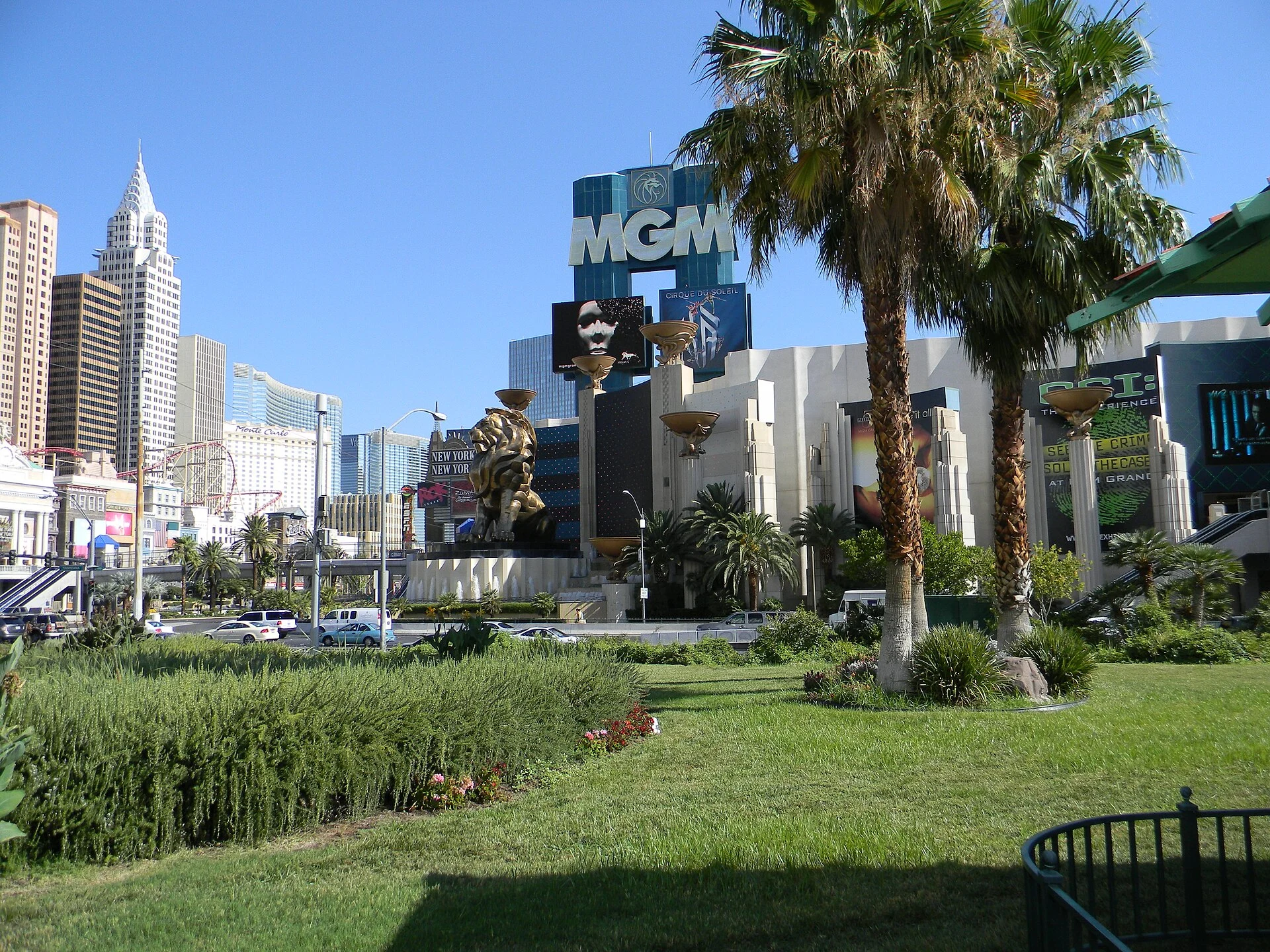
Compounding the debt challenge was deteriorating Las Vegas market performance. Strip-wide hotel occupancy remained essentially flat in the second quarter of 2026, while average daily room rates declined 4% year over year. MGM controls approximately 40% of all hotel rooms on the Las Vegas Strip, making its occupancy and rate trends a proxy for broader demand softness. Even the Fourth of July weekend, when occupancy rose to 88% from 85.7% a year earlier, remained below the low-to-mid 90s historically typical for the holiday.
The Financing Environment and Interest Rate Constraint
Interest rates emerged as the central constraint on the deal and the broader casino acquisition market. Stifel analyst Jeffrey Stantial observed that “given larger average purchase price, Strip M&A appetite seems limited until interest rates come in further.” High borrowing costs made incremental acquisition debt unaffordable, particularly for premium Strip assets commanding the highest valuations.
Stifel projected that the market would remain constrained until interest rates declined by 100 to 120 basis points by year-end 2026. At that level, the cost of capital would fall enough to make large casino deals pencil out. In the near term, operators would pursue only small “bolt-on” acquisitions rather than transformational deals. Regional casino assets offered little appeal: most available properties were lower-quality holdings that operators declined to pursue unless they met strict investment standards, making even modestly-sized regional acquisitions unattractive to buyers.
The Caesars Deal: A Contrasting Outcome
Diller’s withdrawal came the same week as a major competing casino transaction reached approval. In a vote disclosed September 23, 2026, Caesars Entertainment shareholders approved billionaire Tilman Fertitta’s $17.6 billion take-private offer, valuing the company at $31 per share. The merger received 133.3 million votes in favor, representing approximately 65.4 percent of Caesars shares outstanding. Fertitta’s deal assumed nearly $12 billion of Caesars’ debt.
The Caesars approval raised questions about why structurally similar deals had divergent outcomes. Fertitta’s deal was further along the regulatory approval process and had already secured definitive agreement before shareholder voting.
Strip M&A appetite seems limited until interest rates come in further, said Stifel analyst Jeffrey Stantial.
What Ownership of 27% Means for MGM Going Forward
With the bid withdrawn, control reverted to MGM’s independent board and public shareholders. MGM’s board expressed that the company “remains excited to lead MGM Resorts as a standalone company,” signaling no immediate concerns about near-term pressure to merge or sell. However, with People Inc. holding 27% ownership and already having demonstrated a willingness to push for a full acquisition, MGM faces ongoing pressure to justify its strategy and capital allocation decisions to a significant activist shareholder.
Diller retained optionality by maintaining his stake and signaling openness to future transactions. This position allows People Inc. to wait for interest rate declines that might make a future deal more attractive, or to pursue alternative strategic partnerships with MGM’s management. For MGM shareholders, the 27% stake presents a mixed picture: it represents confidence in MGM’s business, but also unresolved strategic questions about the company’s long-term ownership and direction.
Implications for Casino M&A and the Broader Industry
The failed bid and the successful Caesars deal illustrate the same underlying reality: large casino acquisitions will remain scarce until financing conditions improve materially. The difference appeared to lie in timing, regulatory status, and the specific capital structure each buyer could support.
For the broader casino industry, the withdrawal reinforced an uncomfortable reality: large deals will remain on hold until interest rates fall substantially. Operators and potential acquirers reported they could not find assets meeting their investment standards and refused to pursue deals solely for portfolio expansion. In a market where interest rates constrained leverage, acquiring only lower-quality properties did not make financial sense. Until the cost of capital declines as analysts forecast, casino operators and private equity sponsors will continue to hold onto stakes and strategic options while waiting for financing conditions to improve.
Photo: Laslovarga · CC BY-SA 3.0