FTC Fines Payment Processor $12 Million Over Sham Merchants
The FTC says Humboldt Merchant Services knowingly processed payments for fraudulent merchants and must now pay $12 million under a proposed order.
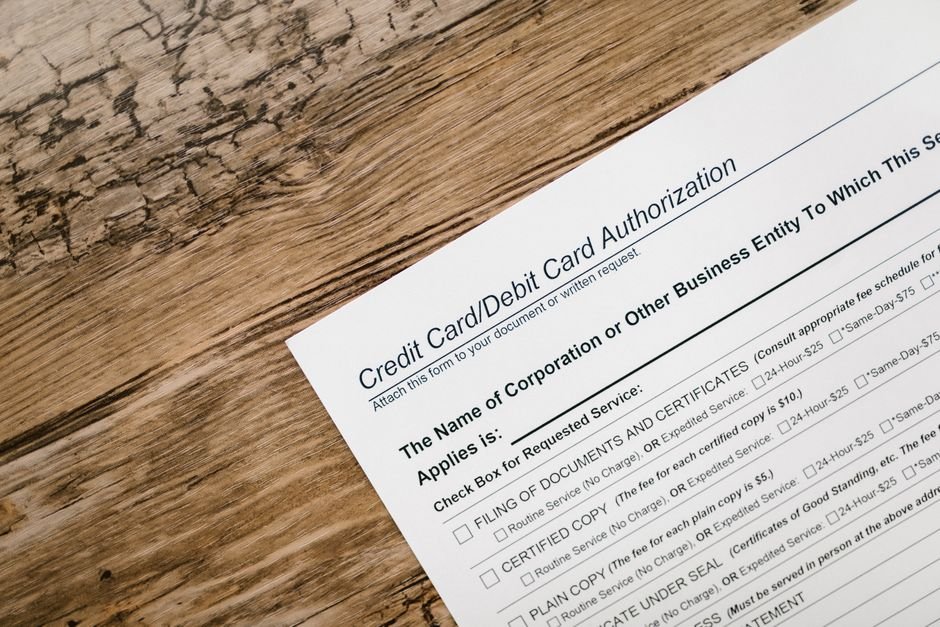
The Federal Trade Commission has taken enforcement action against Humboldt Merchant Services, accusing the payment processor of knowingly enabling fraudulent merchants to charge consumers despite clear warning signs of deceptive activity. Under a proposed settlement, the company will pay $12 million and face a permanent ban from processing payments for entire categories of high-risk merchants.
According to the FTC, Humboldt Merchant Services provided the financial infrastructure that allowed sham merchants to collect payments from consumers, even as the company allegedly recognized indicators of fraud. Payment processors act as intermediaries between merchants and banks, enabling businesses to accept credit and debit card transactions. Regulators contend that Humboldt continued to service merchants exhibiting red flags commonly associated with consumer fraud, including unusually high chargeback rates and complaint volumes, rather than cutting off access to the payment system.
The proposed order would require Humboldt to pay $12 million, funds the FTC intends to use for consumer redress. Beyond the monetary penalty, the settlement imposes a permanent prohibition on the company processing payments for merchant categories the agency has identified as carrying heightened fraud risk. The FTC said the terms are designed to prevent the company from serving as a conduit for future deceptive schemes and to hold payment processors accountable when they look past obvious warning signs to keep transaction fees flowing.
Payment processors occupy a critical gatekeeper role in the consumer financial system, and regulators have increasingly scrutinized their responsibility for the merchants they onboard and continue to service. Because processors earn revenue on transaction volume, critics have long argued that some companies have financial incentives to overlook fraud indicators rather than terminate lucrative merchant relationships. The FTC has pursued similar theories in prior cases against payment processors, arguing that facilitating access to the banking system for known bad actors makes the intermediary complicit in the underlying harm to consumers.
The action against Humboldt fits into a broader pattern of federal scrutiny over the payments industry, as consumer fraud increasingly relies on digital and card-based transactions rather than traditional wire transfers or checks. Consumer advocates have pushed regulators to hold processors, banks, and payment networks to stricter due-diligence standards, arguing that fraud prevention should extend upstream to the entities that enable transactions, not just the merchants who directly deceive consumers. Industry groups, meanwhile, have cautioned that overly aggressive enforcement could push legitimate but higher-risk businesses out of the banking system entirely, a phenomenon sometimes referred to as “de-risking.”
The FTC’s complaint centers on allegations that Humboldt continued servicing accounts even after receiving signals — such as elevated chargeback ratios and mounting consumer complaints — that are typically used industry-wide to flag potentially fraudulent merchant activity. Payment card networks and banking regulators generally expect processors to monitor these metrics closely and terminate relationships with merchants that repeatedly trigger risk thresholds. The FTC’s case argues that Humboldt failed to act on these signals in a timely or adequate manner, allowing sham operations to keep collecting money from consumers.
The proposed order is subject to court approval before it can take effect. If finalized, it would formalize both the financial penalty and the long-term restrictions on the types of merchants Humboldt may serve going forward, marking one of the more significant enforcement actions the agency has brought against a payment processor in recent years.
This article is based on information from a press release issued by the Federal Trade Commission, available at ftc.gov.