How Chinese Steel Faces Anti-Dumping Duties Up to 522 Percent
When foreign companies export goods at prices below their home-market cost, governments launch investigations to determine if dumping has injured domestic competitors and impose additional duties to…
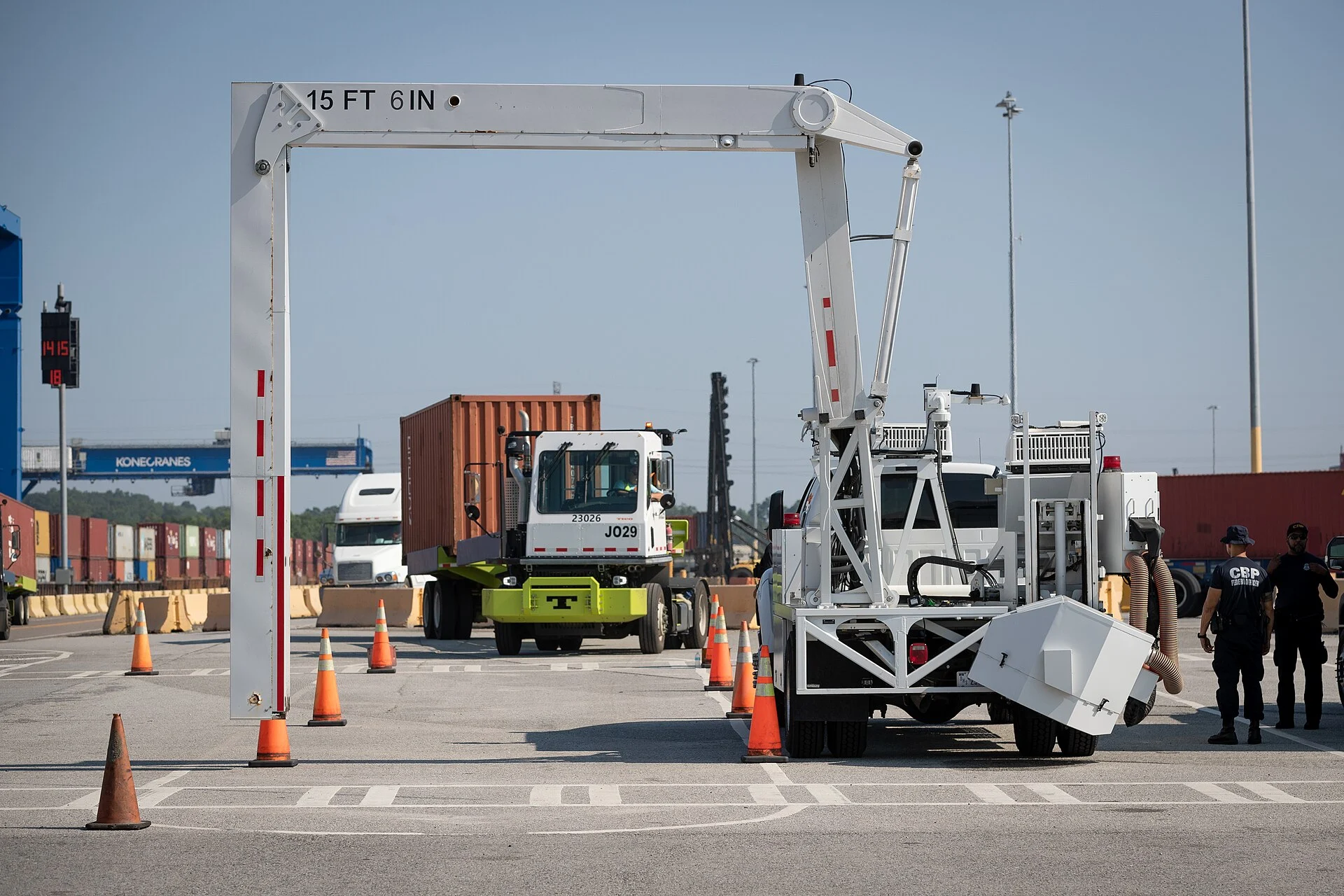
When a foreign manufacturer exports products to the United States at prices that undercut domestic competitors, those imports may trigger an anti-dumping investigation. The U.S. government can then impose additional duties designed to offset the difference between the export price and what the product sells for in its home market or a third market. These extra tariffs sit on top of the base tariff rates, raising total costs for importers. Chinese steel products, for example, currently face anti-dumping rates ranging from zero to 522 percent depending on the specific producer and product type.
Anti-dumping is a trade remedy distinct from ordinary tariffs. The process involves two separate government agencies, strict procedural timelines, and company-specific determinations that can remain in effect for over a decade. The investigation takes roughly nine to fourteen months from petition filing to final determination, but the effects extend far beyond: duties apply retroactively to shipments entered during the investigation period, and importers face annual administrative reviews and five-year sunset reviews that can adjust or eliminate the rates.
How dumping is defined and why it triggers investigations
A product is dumped when an exporter sells it to another country at a price below its normal value—the price charged in the exporting country’s home market or, if that market is too small, the price charged in a third market. Normal value can also be calculated using cost of production plus profit if the product is not sold domestically at adequate volumes.
Dumping itself is not illegal under international law. The remedy applies only if the dumped imports cause material injury to a domestic industry in the importing country. Material injury means measurable harm that is not trivial: reduced domestic sales, loss of market share, falling profit margins, reduced capacity utilization, or employment losses. The injury must have a causal link to the dumping, not merely coincide with it.
A domestic producer, a trade union, or a business association can file a petition with both the Department of Commerce and the International Trade Commission, providing evidence of dumping, injury, and the causal connection between them. The petition must present prima facie evidence—enough initial proof—that dumping has occurred and harmed the domestic industry. In rare cases, Commerce can self-initiate an investigation.
Provisional duties and retroactive liability
When the Department of Commerce makes a preliminary affirmative dumping determination—typically within five to seven months of the petition filing—it instructs U.S. Customs and Border Protection to suspend liquidation of entries and collect cash deposits based on estimated duty rates. These provisional duties take effect immediately. Under the normal rule, duties apply retroactively to shipments entered on or after the date of that preliminary determination.
The two-agency investigation structure and timeline
Anti-dumping investigations are bifurcated proceedings administered by two agencies with separate mandates. The Department of Commerce investigates whether the exporter sold the product at less than normal value and calculates the dumping margin. The International Trade Commission simultaneously investigates whether the dumped imports caused material injury to a domestic industry. Both determinations must be affirmative for duties to be imposed; if either agency reaches a negative conclusion, no order is issued.
The investigation follows several defined stages spanning 280 to 420 days. Within 20 days of the petition filing, the Department of Commerce decides whether to initiate an investigation. The International Trade Commission then determines within 45 days whether there is a reasonable indication of material injury. If that preliminary ITC determination is negative, the investigation stops; if affirmative, it proceeds.
The Department of Commerce makes its preliminary determination of whether dumping is occurring within 160 to 210 days of the petition filing. If that determination is affirmative, Commerce tells U.S. Customs and Border Protection to suspend liquidation of entries and begin collecting cash deposits based on estimated duty rates. This preliminary action can take effect without waiting for the final determination. The Department of Commerce then conducts its final dumping investigation, completed within 235 to 345 days. Simultaneously, the International Trade Commission conducts a final injury investigation, typically concluded within 280 to 420 days of petition filing.
Once the Department of Commerce makes a final affirmative dumping determination and the ITC makes a final affirmative injury determination, an anti-dumping duty order is issued. An important procedural detail: in cases where investigators find “critical circumstances,” entries made up to 90 days before the investigation’s initiation—or, by another account, 90 days before the preliminary determination—may retroactively be subject to the duties once they are imposed, a provision designed to discourage surge importation during early investigation phases.
How the dumping margin is calculated and applied
The Department of Commerce calculates the dumping margin by comparing the export price to the United States with the normal value. Export price is the price charged to unrelated parties in the U.S. market. Normal value is determined from home-market sales; if home-market sales are limited, third-country sales or constructed value—cost of production plus profit—are used instead.
The resulting dumping margin is expressed as a percentage of the product’s value. If Commerce investigates find a producer selling at 80 percent below fair value, the anti-dumping duty rate approximates 80 percent. That margin becomes the anti-dumping duty rate applicable to each specific exporter. Different exporters may have different margins based on their own pricing practices, so a single investigation can result in multiple duty rates for the same product depending on the producer.
Anti-dumping duties are company-specific, not uniform across all producers from a country. An investigation into Chinese wooden bedroom furniture, for example, may result in rates up to 216 percent for some producers while other Chinese manufacturers face lower rates based on their own dumping calculations. This producer-specificity requires importers to track which suppliers face which rates.
Anti-dumping duties stack on top of other tariffs. A shipment subject to a 5 percent baseline most-favored-nation tariff and a 200 percent anti-dumping duty would face a 205 percent combined duty rate on the customs value. In extreme cases, when anti-dumping duties stack with reciprocal tariffs, Section 301 retaliation rates, and Section 232 national security tariffs, combined rates can exceed 600 percent on certain products.
Procedural rights and how investigations are contested
Once an investigation is initiated, the Department of Commerce notifies all known exporters. All parties—domestic producers, foreign exporters, importers, and interested foreign governments—receive access to non-confidential information and opportunities to submit written arguments and meet with investigators. Commerce issues questionnaires to foreign producers requiring them to provide detailed information about their pricing, costs, and sales within strict deadlines.
Before making final determinations, the Department of Commerce and International Trade Commission must inform all parties of the essential facts under consideration and give them sufficient time to defend their interests. The Department of Commerce conducts verification visits to examine records and verify information submitted by parties. Interested parties may request a hearing before the International Trade Commission to present oral arguments before it issues its final determination.
Exporters may avoid duties through a voluntary undertaking: an agreement to revise prices or cease exporting at dumped levels. The Department of Commerce can accept price increases lower than the full dumping margin if they adequately remedy the injury to domestic competitors.
Different exporters may have different margins based on their own pricing practices, so a single investigation can result in multiple duty rates for the same product depending on the producer.
The cost and business impact of anti-dumping duties
Anti-dumping duties directly increase import costs. When rates reach 216 percent on wooden furniture, 250 percent on solar panels, or 112 percent on frozen shrimp from certain origins, the landed cost of goods rises dramatically. For importers, these duties create financial uncertainty and require constant monitoring to avoid cost surprises.
Online tariff calculators cannot accurately capture anti-dumping rates because they are company-specific and change during investigations. Importers must verify current rates through the International Trade Commission database before placing large orders. Failure to anticipate anti-dumping duties in sourcing decisions can erode profit margins or force price increases mid-contract.
The retroactive nature of anti-dumping duties compounds the financial impact. When duties take effect, they may apply to shipments that were imported during the investigation period—sometimes months earlier. This retroactive assessment means importers face cash calls from Customs for duties owed on goods already sold to customers at prices set before the duty amount was known. Annual administrative reviews conducted on each anniversary of the duty order can adjust duty liability for shipments from the previous year.
Long-term effects and sunset reviews
Anti-dumping duties remain in effect indefinitely unless they are removed through a sunset review. Every five years, the Department of Commerce and International Trade Commission reassess whether a domestic industry would likely suffer material injury if the duties were revoked. If the agencies determine injury would recur, duties are extended for another five-year term. If they find injury unlikely, duties expire.
The sunset review process requires the domestic industry to demonstrate continued need for the duties. Exporters subject to the duties can present evidence that market conditions have changed or that they have ceased dumping practices.