How UNESCO’s 2026 Session Added 25 Sites, From Sarnath to Mount Olympus
The nomination process takes years and follows strict criteria. Inscription typically brings tourism and investment, but gains are unequally distributed across countries and regions.
UNESCO awards World Heritage status to sites deemed to possess “outstanding universal value”—cultural or natural significance so exceptional that it transcends national borders and matters to all humanity. The designation is governed by the 1972 World Heritage Convention. As of 2026, 1,273 sites hold this status. The honor brings tourism, investment, and infrastructure development to host communities, though economic gains depend heavily on local capacity to capitalize on designation and political conditions that favor visitor flow.
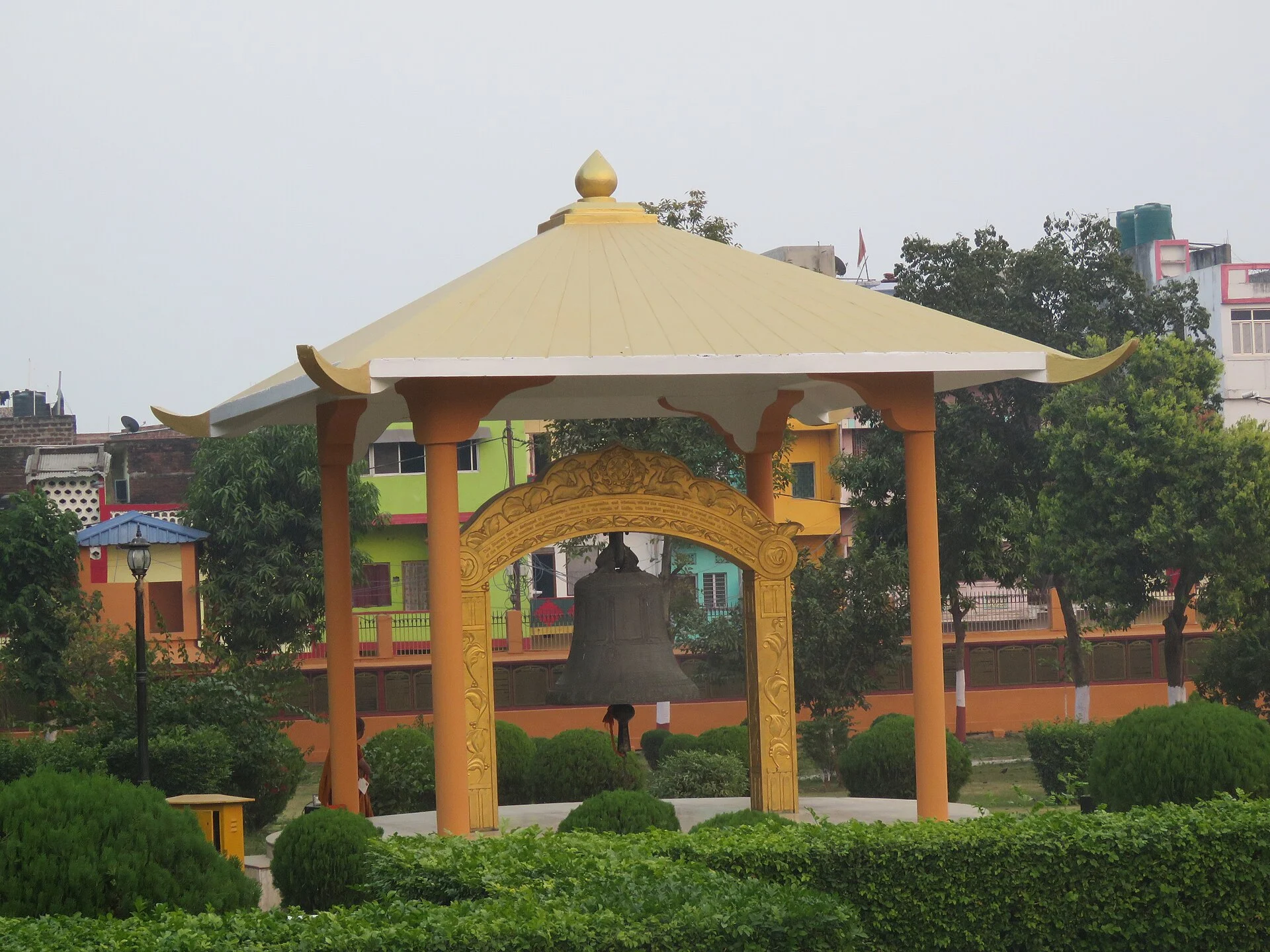
The path to inscription is deliberate and lengthy, designed to ensure that only the most significant properties worldwide receive the designation. It involves two international advisory bodies, the world’s premier heritage evaluators, and a committee of 21 elected state representatives. Each year brings fresh inscriptions—the 2026 session, held in Busan, South Korea, added 25 new sites, including Sarnath in India, the D-Day beaches in Normandy, and Mount Olympus in Greece. Three countries—Comoros, São Tomé and Príncipe, and South Sudan—had sites added to the list that year, each now eligible for the tourism and infrastructure investment that follows nomination.
The Multi-Year Nomination Timeline
The journey to World Heritage status spans several years, beginning long before a formal nomination reaches UNESCO’s desks. Countries must first place a property on their tentative list. The tentative list serves as a forecast, allowing UNESCO, ICOMOS, and IUCN to anticipate incoming nominations and plan their advisory workload. Without placement on a tentative list, UNESCO cannot even consider a nomination, no matter how significant the site.
Prospective nominees then move through an optional preliminary assessment phase lasting one year, in which IUCN (for natural sites) provides technical advice directly to countries on potential nominated properties. This step helps nations strengthen their nominations before formal submission. When ready, countries submit complete nomination dossiers to UNESCO. UNESCO conducts a completeness check, ensuring the dossier meets technical standards, before forwarding it to the advisory bodies.
The advisory bodies—ICOMOS for cultural sites and IUCN for natural properties—then conduct independent evaluations over approximately 15 months. These organizations send expert teams to conduct field missions, evaluating sites firsthand for integrity, authenticity, and management capacity. ICOMOS experts assess architectural, archaeological, and urban design significance. IUCN relies on its six specialist commissions and collaborates with geological and geomorphological organizations to evaluate the global significance of natural properties, their management, and their ecological integrity. Desk reviews scrutinize submitted documentation.
World Heritage by the Numbers in 2026
As of the World Heritage Committee’s 48th session in Busan, South Korea, 1,273 sites hold World Heritage status. The 2026 inscriptions added 25 new sites, including sites in Comoros, São Tomé and Príncipe, and South Sudan. The global heritage tourism market reached $607.35 billion in 2024 and is projected to grow to $903.36 billion by 2033.
The Committee’s 21 Representatives Vote Annually
Some seats are reserved for State Parties that do not yet have World Heritage sites, broadening geographic representation.
The committee meets in a different location each year and decides whether to inscribe nominated sites on the World Heritage List, defer nominations for additional information, or reject proposals. The 2026 session in Busan inscribed 25 new sites: 19 cultural properties, five natural sites, and one mixed designation combining cultural and natural criteria. On the basis of advisory body recommendations and UNESCO Secretariat analysis, the committee makes final decisions. Unlike national legislatures, the committee does not operate on simple majority voting; decisions reflect deliberation on outstanding universal value and the advisory bodies’ professional assessments.
Ten Criteria Measuring Outstanding Universal Value
A site must meet at least one of ten criteria to qualify. Six address cultural significance: representing a masterpiece of human creative genius; demonstrating important cultural exchanges affecting architecture, technology, or design; bearing testimony to civilizations or living cultural traditions; exemplifying significant building, architectural, or technological ensembles; illustrating outstanding traditional human settlements or land-use patterns showing human interaction with the environment; or being directly associated with events, living traditions, ideas, or artistic and literary works of outstanding universal significance.
Four criteria address natural properties: containing superlative natural beauty or exceptional natural phenomena; representing major stages of Earth’s history, including the geological record of life and significant ongoing geological processes; demonstrating significant ecological or biological processes in ecosystem development; or preserving important and significant natural habitats for species conservation, particularly endangered species. Applicants must document how their site meets the definition of outstanding universal value: significance so exceptional as to transcend national boundaries and be of common importance for humanity’s present and future.
Tourism Growth and the 0.22% Correlation
Research on EU countries shows that a 1% increase in a country’s World Heritage Site count correlates with a 0.22% rise in international tourist arrivals. This aggregate effect masks wide variation: countries with stronger hotel infrastructure and higher government cultural investment capture disproportionately more of this tourism gain. The global heritage tourism market reached $607.35 billion in 2024 and is projected to reach $903.36 billion by 2033, expanding at a compound annual growth rate of 4.51%. Global tourism receipts reached $1.6 trillion in 2024, and heritage tourism was a primary beneficiary of that spending.
The most-visited World Heritage sites attract millions annually. Rome’s historic centre drew 22.2 million visitors in 2024; Paris’s banks of the Seine recorded 20.3 million; the Great Smoky Mountains hosted 12.2 million; and the Acropolis drew 4.6 million. These figures illustrate the destination power of World Heritage designation, though they also reveal a stark geographic disparity: heritage tourism is concentrated overwhelmingly in Europe and North America, indicating both the heritage advantage of wealthy nations and their superior tourism marketing capacity.
Only 99 of 1,273 sites have documented visitor numbers, and historic city sites receive roughly 40 times more social media attention than other site types.
Economic Multipliers and Local Job Creation
Tourism spending ripples through local economies via multiplier effects. Every direct tourism job generates additional employment in supply chains and supporting services. Heritage inscription often spurs infrastructure investment: airport expansion, road improvements, schools, hospitals, water distribution systems, electricity networks, and waste management facilities. These investments benefit both tourism and residents.
Jobs emerge in tour guiding, hospitality, and retail. Heritage preservation projects create construction and skilled-trade employment, requiring expertise in masonry, carpentry, architecture, and archaeology. In Germany, public sector investment in museums generates €1.70 in direct economic value per euro spent, with an additional €2.40 through ancillary tourism spending. Tourism spending supports water and energy distribution, transport services, health services, shops, garages, and leisure facilities. Sustainable livelihoods can be strengthened by integrating traditional skills such as crafts and performing arts into contemporary markets, generating income for artisans and cultural practitioners.
However, rapid tourism growth creates risks. Property values can increase, displacing local residents and permanently altering neighborhood character. Large-scale infrastructure development such as mining, dams, roads, and railways can damage the outstanding universal value of World Heritage properties. Inscription alone does not guarantee conservation or economic benefit. Sites lacking tourism management plans—more common in less developed countries—struggle to channel visitor spending into local benefit.
Data Gaps and Geographic Concentration
The economic picture of World Heritage remains incomplete. Only 99 of 1,273 sites—approximately 8%—have documented visitor figures. Archaeological sites represent the largest measurement gap, with 237 sites lacking published visitor counts. Sites measure visitors differently: ticket sales, hotel arrivals, entry permit systems, or social media proxies—making direct comparisons unreliable. This data scarcity limits countries’ ability to benchmark their heritage tourism performance or plan investment.
Tourism is heavily concentrated in Europe and North America. Historic city sites receive roughly 40 times more social media attention than any other site type, indicating both their prominence and the visibility disparities built into the World Heritage system. More than 96% of visitors surveyed at World Heritage sites in Australia and Hawaii could not recall what the World Heritage symbol represented, suggesting low visitor awareness of designation status. Visitors may not realize they are touring a World Heritage site, limiting the designation’s marketing power for many properties.
Attribution of economic gains directly to UNESCO inscription remains uncertain. Research indicates that inscription itself does not automatically deliver benefits; local stakeholder action, investment, management planning, and political stability determine whether tourism translates into community prosperity or creates strain on infrastructure, culture, and environment. Developing countries face additional barriers: political instability deters visitors, weak tourism planning limits visitor experience, and limited capacity to manage rapid growth can overwhelm sites. The three countries that gained sites in the 2026 inscriptions now hold World Heritage status, but realizing its economic potential will depend on factors beyond UNESCO’s control.
Photo: Vinayaraj · CC BY-SA 4.0