How the Rothschild Auction Shows Estate Sales Driving Europe’s Art Market
An Artcurial sale of Rothschild treasures reveals how major dispersals are driving growth in antiques and decorative arts as collectors shift spending patterns.
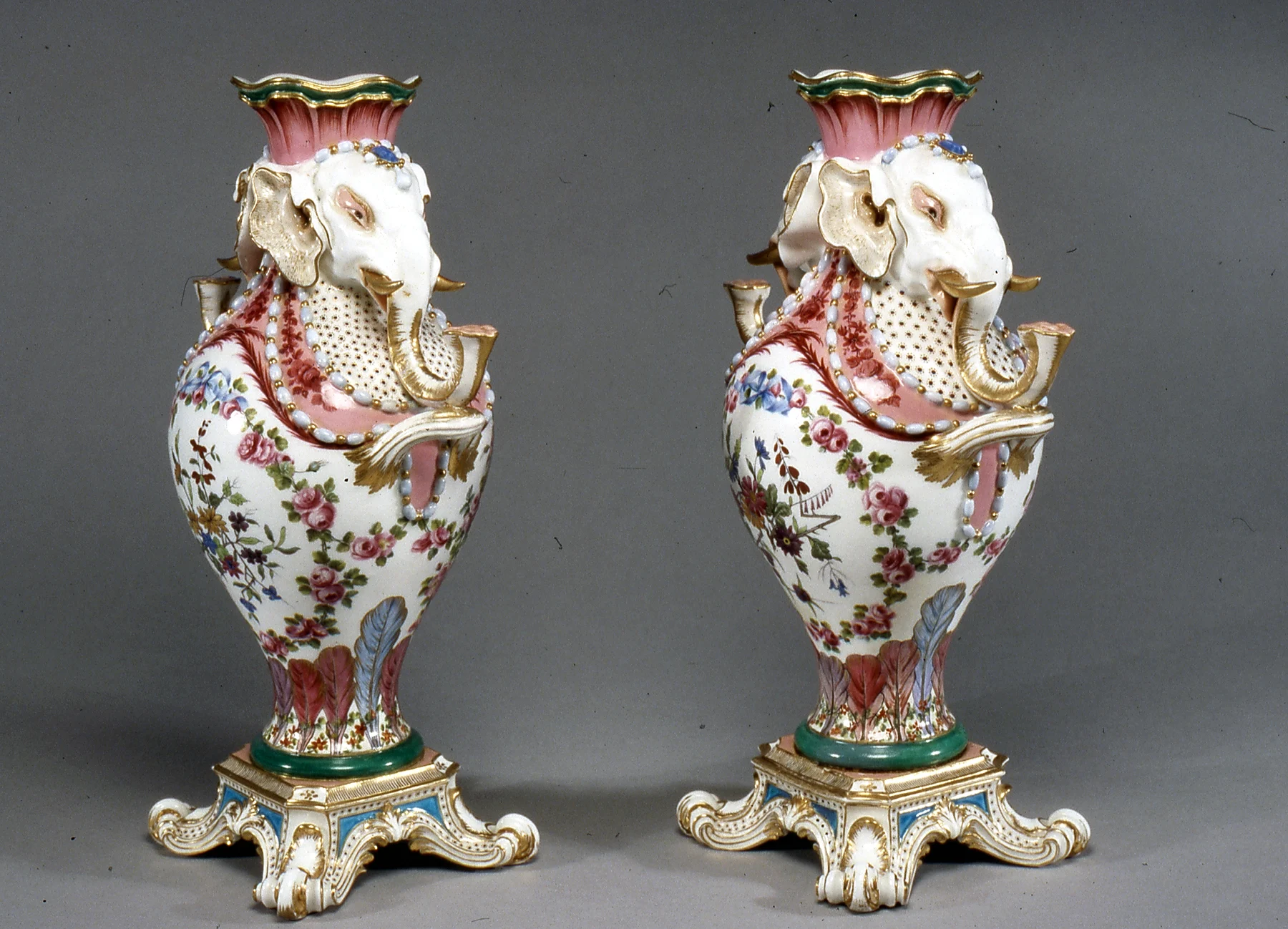
On September 22, Artcurial will auction 191 lots from ‘Le goût Rothschild en héritage’ in Paris, a collection assembled across generations by the French branch of the Rothschild banking family. The sale includes 18th-century furniture, Old Master paintings, Limoges enamels, rare books and Sèvres porcelain pieces from King Louis XVI’s service. The collection demonstrates what historians call ‘le goût Rothschild’—a refined aesthetic shaped by scholarly patronage, generational thinking and the ability to accumulate objects whose value grows through successive ownership and association.
The Rothschild dispersal illustrates a broader pattern reshaping the European art and antiques market in 2026: single-family collections are driving recovery that has stalled across other segments, while inheritance tax pressures and changing collector preferences in younger generations accelerate the break-up of storied estates. Auction specialists say major consignments from historic households attract bidders from across continents, partly because their provenance and condition carry inherent credibility, and partly because the breadth of quality pieces in a single estate offers buyers rare economies of scale. The global art market reached $59.6 billion in 2025, with public auctions jumping 9 percent to $20.7 billion—growth driven substantially by the influx of estate collections.
How generational collecting created the Rothschild legacy
The collection heading to auction reflects what art historians describe as a distinctly Rothschild approach to acquisition and stewardship. Rather than pursuing trendy status symbols, successive generations selected Old Master paintings, eighteenth-century furniture, Sèvres porcelain, Limoges enamels, silver, rare books and manuscripts—pieces reflecting both aesthetic refinement and historical significance. The aesthetic philosophy valued preservation and scholarship over consumption. Objects gained significance through successive ownership and inheritance; their value accumulated not simply through scarcity, but through craftsmanship, provenance and association.
Henri de Rothschild, who inherited pieces from multiple family members between 1899 and 1931, exemplified this collecting philosophy. Beyond acquiring art, he supported Marie Curie’s research, established an automobile marque and built a theater alongside curating his holdings. As scholars note, collecting became ‘a family language; and when objects chosen in one century continue to communicate status, memory and discernment in another.’ The estates passing through his hands connected multiple branches and generations, each contributing pieces that reflected their era’s finest craftsmanship. This multigenerational inheritance created layered provenance that modern auction houses now highlight as a selling point—each piece carries not just an artist’s credentials but the documented taste of a historic family.
The Rothschild sale by the numbers
Artcurial’s September 22 auction features 191 lots. The highest-value piece is a pair of Sèvres porcelain buckets from King Louis XVI’s service (€700,000–€1,000,000), while other highlights include an 18th-century Drouais portrait (€30,000–€50,000) and Regency armchairs with Beauvais tapestry (€12,000–€18,000).
Fresh inventory reshaping auction results
Single-owner collections became a market force starting in late 2025. Sales of curated estates like the Leonard A. Lauder and Cindy and Jay Pritzker collections helped push the November 2025 New York marquee auctions at Christie’s, Sotheby’s and Phillips to $2.23 billion, of which single-owner collections generated $962 million, or 43 percent of total revenue. In contrast, dealer sector sales globally totaled $34.8 billion in 2025, a more modest 2 percent increase, while public auctions surged 9 percent to $20.7 billion—with ultra-high-end sales above $10 million jumping 30 percent.
The Rothschild sale reflects this pattern. The collection features a Drouais portrait from 1756 estimated at 30,000 to 50,000 euros, paintings by Francesco Guardi and Jan van Goyen in the 40,000 to 70,000 euro range, and a pair of Regency-era armchairs with rare Beauvais tapestry at 12,000 to 18,000 euros. The most valuable lot consists of two oval Sèvres porcelain buckets from King Louis XVI’s mythological service, estimated at 700,000 to 1,000,000 euros. The collection also includes modest-priced antiquarian books estimated between 200 and 1,000 euros, demonstrating the breadth that attracts different bidder profiles to the same sale.
Inheritance taxes accelerate European dispersals
A critical driver behind the rising tide of major estate sales is the shifting inheritance tax landscape across Europe in 2026. In the United Kingdom, April 2026 brings a significant change: business property relief for art businesses such as galleries and artist estates will cap at £1 million, with rates of 40 percent inheritance tax applying above this threshold. Previously, these art-related businesses qualified for full exemption. In France, the pressure is even more acute: inheritance tax rates for unrelated heirs reach 60 percent, while children face rates of 5 to 45 percent depending on the value and their portion of the estate. The United States offers somewhat more favorable terms through the step-up-in-basis rule, allowing beneficiaries to inherit property at its current market value, with capital gains tax applying only to appreciation after inheritance rather than the full gain since original purchase. The federal estate tax exemption rose to $15 million per person in 2026, though rates remain at 40 percent on amounts exceeding this threshold.
For art collections, these tax structures create acute pressure. Unlike liquid assets, art collections are illiquid and difficult to liquidate quickly enough to cover tax bills. Heirs often face the choice of selling portions of a family collection to pay taxes, or dividing the collection among beneficiaries in ways that fragment its coherence. Younger collectors, surveys show, collect differently from their parents and grandparents—often favoring contemporary works, digital art or experiences over historical pieces. This generational divergence in taste, combined with tax obligations, creates momentum for dispersing historically significant estates through auction. As the lawyer Pierre Valentin has predicted, there will likely be ‘many more white glove sales in the next 10 to 15 years’ as the collections of the Baby Boomer generation reach new generations facing these financial and aesthetic pressures.
Why family collections command global attention
Auction specialists highlight three reasons why dispersals from storied private collections outperform other segments. First, provenance carries weight: items from a documented private collection rather than repeated trading suggest authenticity and condition. A work from a private house, family collection or deceased estate often carries an inherent advantage, improving confidence and attention among bidders, particularly where provenance can be stated clearly and condition is well-presented. Second, the breadth of a multi-generational estate allows bidders to acquire pieces across categories—paintings, furniture, decorative arts—from a single source, reducing transaction costs and simplifying due diligence. Third, the supply of such collections remains unpredictable, creating urgency among dealers and collectors who see each major sale as potentially unrepeatable.
The Rothschild collection embodies this appeal. The holdings passed through Henri de Rothschild, who inherited pieces from multiple family members between 1899 and 1931, reflecting the family’s evolving tastes and access to Europe’s finest workshops and artists over generations. The estate spans the 16th century—a Limoges enamel plate by Pierre Reymond estimated at 5,000 to 7,000 euros—through the 18th century, offering continuity that newly discovered collections cannot match. For global bidders, this breadth and documented history justify premium valuations.
Single-owner sales represented 43 percent of major auction revenue in late 2025, a concentration that leaves the market vulnerable if major consignments dry up.
Antiques and design surge as tastes shift
The Rothschild sale arrives as antiques and design categories experience unexpected momentum. In the first half of 2026, antiques climbed 39.9 percent compared to the same period in 2025, while design surged 44.3 percent. These growth rates significantly outpace contemporary art segments and reflect a broader shift in collector behavior: luxury buyers are gravitating toward objects with documented histories, quality craftsmanship and environmental durability rather than newly produced goods. Objects from established family collections carry clear attribution and condition reports, reducing the risk that dealers and museums frequently face with newly discovered pieces.
This shift also reflects sustainability concerns. Rather than buying new or mass-produced furniture, many collectors are turning to antiques for their quality, durability and environmental benefits. The 191 lots in the Rothschild sale—ranging from modest book estimates of 200 to 1,000 euros to high-value paintings and porcelain—reflect this appetite across price tiers. The concentration of transactions around verified estate pieces creates a virtuous cycle: each major collection sale attracts specialists, appraisers and conservators, lowering costs and increasing confidence for subsequent buyers.
Market structure shifts as private sales gain ground
While single-owner auctions capture headlines, an underlying structural shift is reshaping where major transactions occur. Private sales at auction houses now account for roughly 20 percent of all auction house revenue, up from 12 percent a decade ago. In 2025, auction house private sales declined 4 percent to just under $4.2 billion, but this moderation masks a strategic reallocation: auction houses are routing meaningful volume through their private sales departments rather than through public auction rooms. Galleries, advisors and platforms that excel in private-sale placement are gaining market share, with expectations that this trend will accelerate through 2026.
This shift reflects buyer preferences for confidentiality and negotiated pricing over competitive bidding. For sellers like the Rothschild estate, the choice between a high-profile public auction and quiet private placement involves calculation: public sales maximize exposure and price discovery but reveal information; private sales maintain discretion and allow negotiated terms but limit the bidder pool. The concentration of auction events—the Rothschild sale on September 22, followed by the competing Graziella Patino d’Ortiz Linares collection at Christie’s, located barely 200 meters away, on September 23—reflects the rivalry between Paris’s leading auction houses during a concentrated sales week.
Market questions about long-term sustainability
Despite recent momentum, market analysts caution that heavy reliance on single-owner collections may mask underlying weakness in day-to-day trading. Single-owner sales represented 43 percent of major auction revenue in late 2025, a concentration that leaves the market vulnerable if major consignments dry up. Transaction volume reached 41.5 million globally in 2025, up only 2 percent, suggesting that while high-value transactions surged, the broader volume of routine trading activity stagnated. Approximately 43 percent of dealers entering 2026 anticipated sales improvements, while 38 percent expected stable performance—modest optimism that hinges on continued supply of estate collections.
The Rothschild dispersal offers a window into how European family estates remain the engine of market growth even as everyday trading activity softens. Whether that pattern persists depends on the pipeline of comparable collections from multigenerational households willing or forced by circumstance to enter the market. Inheritance tax changes in April 2026 and beyond will likely accelerate dispersals, at least in the near term. For now, sales like the Artcurial event on September 22 signal that the appetite for documented heritage pieces remains robust, even as the auction market’s overall health rests narrowly on the supply of exceptional estates and the generational turning point that forces families to choose between preservation and liquidity.