How India’s 1.64-Million-Tonne EU Steel Quota Splits Tariffs From Carbon Costs
India's 1.64-million-tonne EU steel quota cuts tariffs under the draft trade deal, but a separate EU carbon pricing mechanism still applies to all volumes.
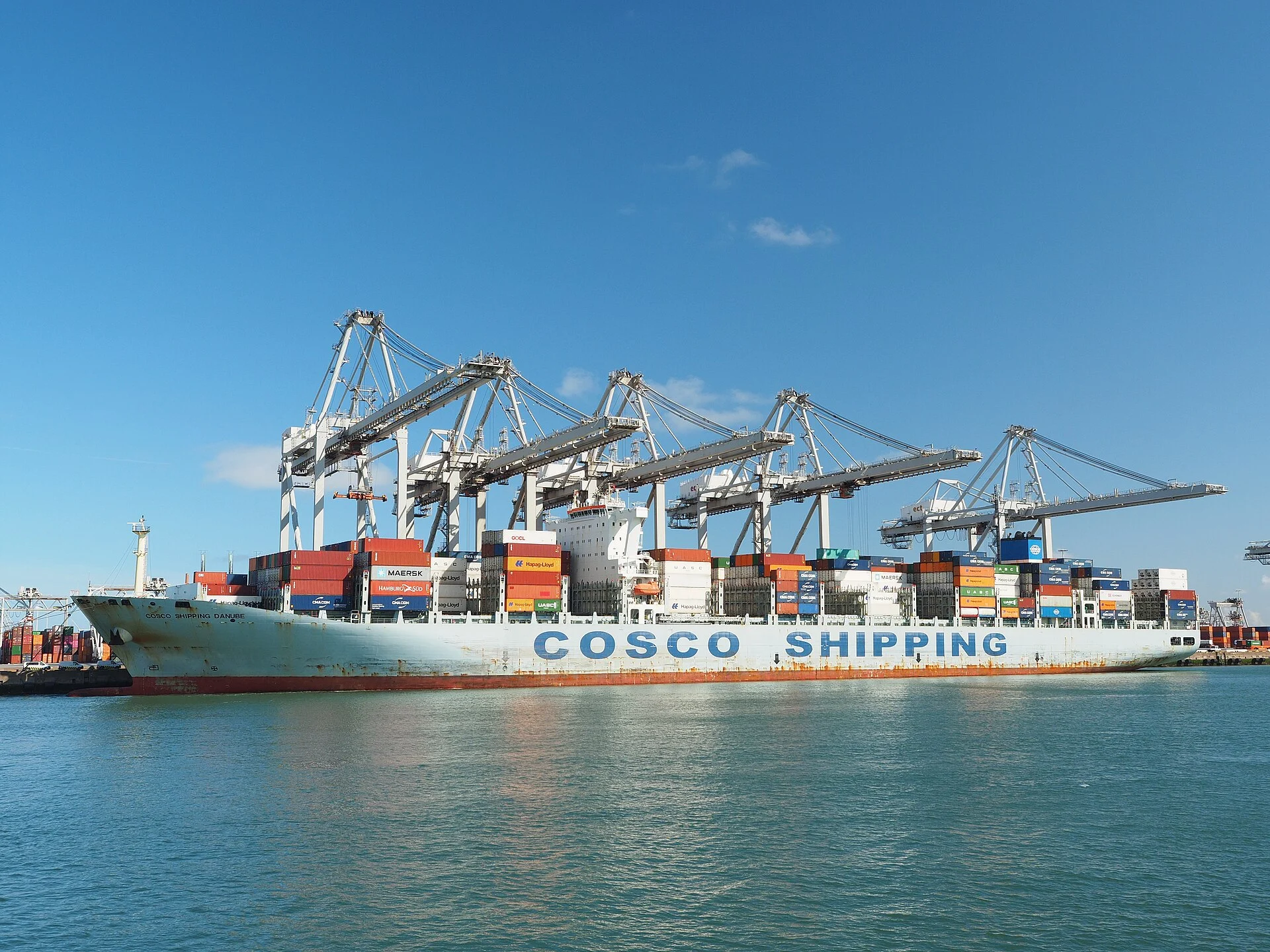
India and the EU concluded negotiations on their Free Trade Agreement in January 2026, and a draft legal text released in September grants Indian steelmakers a 1.64-million-tonne annual export quota to the European Union—though the agreement has yet to be signed and the text remains subject to revision. But the quota structure is more complex than the headline number suggests, and a separate EU carbon mechanism means the tariff break comes with hidden costs that could squeeze margins for many exporters.
India currently ships approximately four million tonnes of steel annually to the EU. The new quota would cover about 68.4 per cent of India’s 2025 steel exports to the EU (2.4 million tonnes), up from 39.4 per cent under the existing quota, according to Reuters. The remainder would enter at tariff rates or be subject to the 50 per cent over-quota duty. For Indian steelmakers, the deal provides clarity on market access but also imposes new compliance burdens that go beyond traditional tariff negotiations.
The two-part quota structure
India’s total quota splits into two distinct allocations that serve different purposes under EU trade rules. The most-favoured-nation (MFN) component of 946,616 tonnes—about 58 per cent of the total—is not exclusive to India. This portion represents the country’s baseline share of a global pool of 18.3 million tonnes in duty-free steel quotas that the EU created under its Steel Overcapacity Regulation, which came into force on July 1, 2026.
The FTA-specific component of 694,853 tonnes—the remaining 42 per cent—is negotiated access exclusive to India under the free trade agreement. This portion represents preference granted only to Indian exporters and is not available to other countries.
The 16 product categories covered include non-alloy and alloy hot-rolled sheets and strips, cold-rolled sheets, metallic-coated sheets, organic-coated sheets, tin mill products, stainless steel products, merchant bars and light sections, rebars, wire rods, and pipes and tubes. Hot-rolled sheets received the largest single allocation at 509,605 tonnes.
Together, the two allocations would cover approximately 68.4 per cent of India’s 2025 steel exports to the EU, up from 39.4 per cent under the previous regime. This improvement matters because it reduces the volume of high-value exports falling outside the duty-free zone and facing punitive tariffs.
The quota and current trade context
India’s 1.64-million-tonne annual steel quota to the EU comprises 946,616 tonnes of global MFN access and 694,853 tonnes of FTA-exclusive access. Together they cover approximately 68.4% of India’s 2025 steel exports to the EU, up from 39.4% under the previous system. India currently exports about 4 million tonnes of steel annually to the EU.
The 50 per cent over-quota tariff and its market effects
Steel shipments exceeding the combined 1.64-million-tonne quota face a 50 per cent duty. This is not a tariff on all Indian steel—only on volume beyond the ceiling. For exporters, this creates a cliff effect: shipments within the quota enter duty-free, while sales above the quota face the 50 per cent tariff.
The EU administers these tariff-rate quotas in a transparent, objective and non-discriminatory manner, with relevant information made publicly available. The agreement includes periodic review mechanisms, with initial assessment one year post-implementation and subsequent reviews at five-year intervals. This structure gives Indian steelmakers some predictability for planning, though it also locks in a cap.
Indian steel industry representatives indicated in trade reports that the quota, while improved, falls short of their needs, noting they had sought an increase of 29 to 35 per cent. At current export levels, Indian steelmakers would need to find markets elsewhere or lower prices to stay within the quota once they reach the ceiling. A note by India’s ICRIER research institute suggested that a shift toward higher-value-added steel products could improve India’s competitiveness in the EU market while reducing exporters’ CBAM tax burden.
The 50 per cent rate applies under the EU’s new regime for steel imports globally, introduced as a safeguard measure responding to what the EU identified as chronic overcapacity in global steel production. It is a unilateral EU policy, not negotiated bilaterally with India, though the quota-setting process was part of the FTA talks.
The carbon costs that persist beyond the quota
A significant caveat shadows the quota benefit: Indian steel remains subject to the EU’s Carbon Border Adjustment Mechanism (CBAM) regardless of tariff treatment. This carbon pricing system applies to steel imports starting in 2026 on a definitive basis, and it operates independently of the trade agreement.
CBAM works by requiring importers to purchase carbon certificates representing the embedded emissions in imported goods. Importers calculate embedded emissions using three methods: actual supplier data, approved equivalent calculation methods, or EU-provided default values. The certificate price tracks the weekly average of EU Emissions Trading System allowances, creating a dynamic cost tied to EU carbon markets. If the foreign producer already paid a carbon price in their home country, they can deduct it from their liability.
For Indian steel, the carbon cost could average around 35 per cent of import value once CBAM is fully implemented, according to an estimate by India’s Global Trade Research Initiative (GTRI). The timeline matters: the transitional phase ran from 2023 through 2025, during which companies reported emissions quarterly but did not pay. Full implementation began in 2026, with annual reporting and mandatory certificate purchases. The first certificates are not due until 2027, with declarations submitted by August 31 and certificates surrendered by October 31.
The mechanism is designed to prevent what the EU calls ‘carbon leakage’—the relocation of carbon-intensive production to countries with weaker climate rules. From the Commission’s perspective, it levels the playing field between high-emitting foreign mills and EU producers that face strict emissions rules under the EU Emissions Trading System. But the effect is to layer a second cost on top of the tariff structure, one that does not disappear when a shipment stays within the quota.
The combination places Indian steel in a narrower competitive band as exporters navigate both tariff quotas and a carbon surcharge on all volumes, including those within quota.
Why the EU’s dual approach complicates the deal
For Indian steelmakers, the quota and carbon pricing operate on two separate systems. The quota tackles tariffs; CBAM tackles embedded carbon. Neither is contingent on the other. This design reflects the EU’s political priorities: the Steel Overcapacity Regulation addresses what Europe sees as a global oversupply of steel production, while the FTA quota was part of a broader negotiation in which the EU secured its own concessions, including a tariff-rate quota for vehicle imports into India.
CBAM, by contrast, is a climate policy first and a trade tool second. The EU applies it to all steel imports equally, regardless of whether a country has signed a free trade agreement. From the Commission’s perspective, carbon pricing is necessary to prevent high-emitting producers from undercutting EU mills. From the perspective of Indian exporters, it means they pay for carbon even when their tariff is zero.
The combination places Indian steel in a narrower competitive band. The tariff quota removes price barriers on 1.64 million tonnes per year; CBAM adds a carbon surcharge on all volumes, including those within quota. Exporters that can supply verified data showing lower emissions than EU default values, or that have already paid a carbon price at home, can reduce their CBAM costs.
A European Commission proposal to simplify CBAM rules, introduced in early 2025, would introduce a 50-tonne annual import threshold, exempting approximately 90 per cent of importers while keeping roughly 99 per cent of covered emissions within the reporting system. This change benefits smaller traders but does not help large-volume exporters like Indian steelmakers.