Nepal Demands Climate Justice After Deadly Floods
Nepal is seeking financial compensation from major polluters after devastating floods, with the UN citing the need to protect low-emission nations.
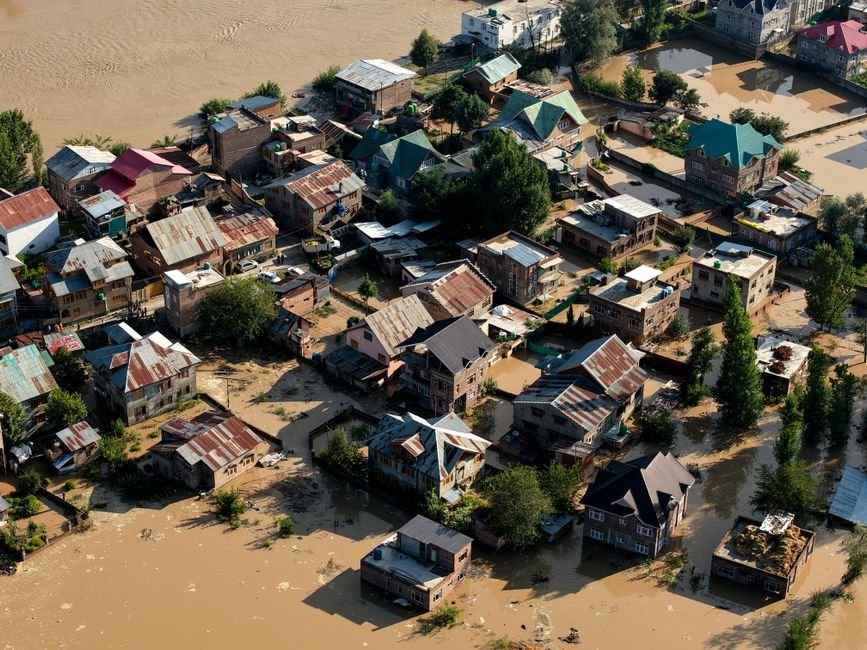
Nepal has issued a formal call for climate justice following a series of deadly floods that have killed dozens of people and displaced thousands across the Himalayan nation in recent weeks. The country’s government is pressing wealthier, high-emitting nations for financial compensation, arguing that Nepal bears little responsibility for global warming yet suffers disproportionately from its consequences.
The top United Nations official stationed in Nepal underscored the appeal on Wednesday, framing the disaster as emblematic of a broader global injustice. According to the official, nations that contribute the least to greenhouse gas emissions are increasingly forced to absorb the deadliest and most costly effects of a warming planet, from flash floods to glacial lake outbursts and landslides.
Recent flooding in Nepal has been linked to intense monsoon rainfall combined with the destabilizing effects of melting glaciers in the surrounding mountains. Entire villages have been submerged, roads and bridges swept away, and agricultural land destroyed, compounding economic losses in a country where farming remains a primary livelihood for much of the rural population. Emergency responders have struggled to reach remote mountain communities cut off by damaged infrastructure, slowing relief efforts and leaving many families without adequate shelter, clean water, or medical care.
Nepali officials have pointed to the scale of destruction as proof that adaptation measures alone are insufficient without substantial international financial support. They argue that the funds needed to rebuild homes, restore infrastructure, and strengthen early-warning systems far exceed what the country can generate on its own, given its limited contribution to the emissions driving these extreme weather events in the first place.
The appeal from Kathmandu adds to a growing chorus of vulnerable nations demanding accountability from industrialized countries whose historical emissions are widely regarded as the primary driver of climate change. Small island states and mountainous nations alike have repeatedly raised similar concerns at United Nations climate conferences, pushing for mechanisms that translate rhetorical acknowledgment of climate injustice into tangible financial support.
These demands gained institutional traction with the establishment of the Loss and Damage Fund, agreed upon at a recent UN climate summit to help developing countries cope with irreversible climate impacts. However, disbursement of pledged funds has been slow, and many recipient nations say the amounts committed so far fall far short of actual needs. Nepal’s latest floods are likely to intensify pressure on donor countries to accelerate funding commitments and clarify the criteria for accessing compensation.
The Himalayan region, home to some of the world’s largest glaciers outside the polar regions, has become a focal point in discussions about climate vulnerability. Scientists have documented accelerated glacial melt in the area over the past decade, raising concerns about the increasing frequency of glacial lake outburst floods that can unleash sudden, catastrophic torrents of water and debris onto downstream communities with little warning.
Nepal’s government has previously sought international support for early-warning systems and infrastructure resilience, but officials say the recent floods demonstrate that current investment levels remain inadequate against the scale of the threat. Humanitarian agencies operating in the country have also warned that repeated disasters risk pushing already vulnerable households deeper into poverty, undermining decades of development progress.
The United Nations has pledged continued support for Nepal’s recovery and reconstruction efforts, though specific new funding commitments were not detailed in the latest statement. The organization reiterated that addressing the disproportionate burden faced by low-emission countries remains central to global climate negotiations moving forward.
The announcement was reported by UN News.