How the Schengen Area’s 90/180-Day Rule Actually Gets Calculated
A rolling 180-day window, not a calendar quarter, sets the limit on short stays in Europe — and a new biometric border system now tracks every crossing.
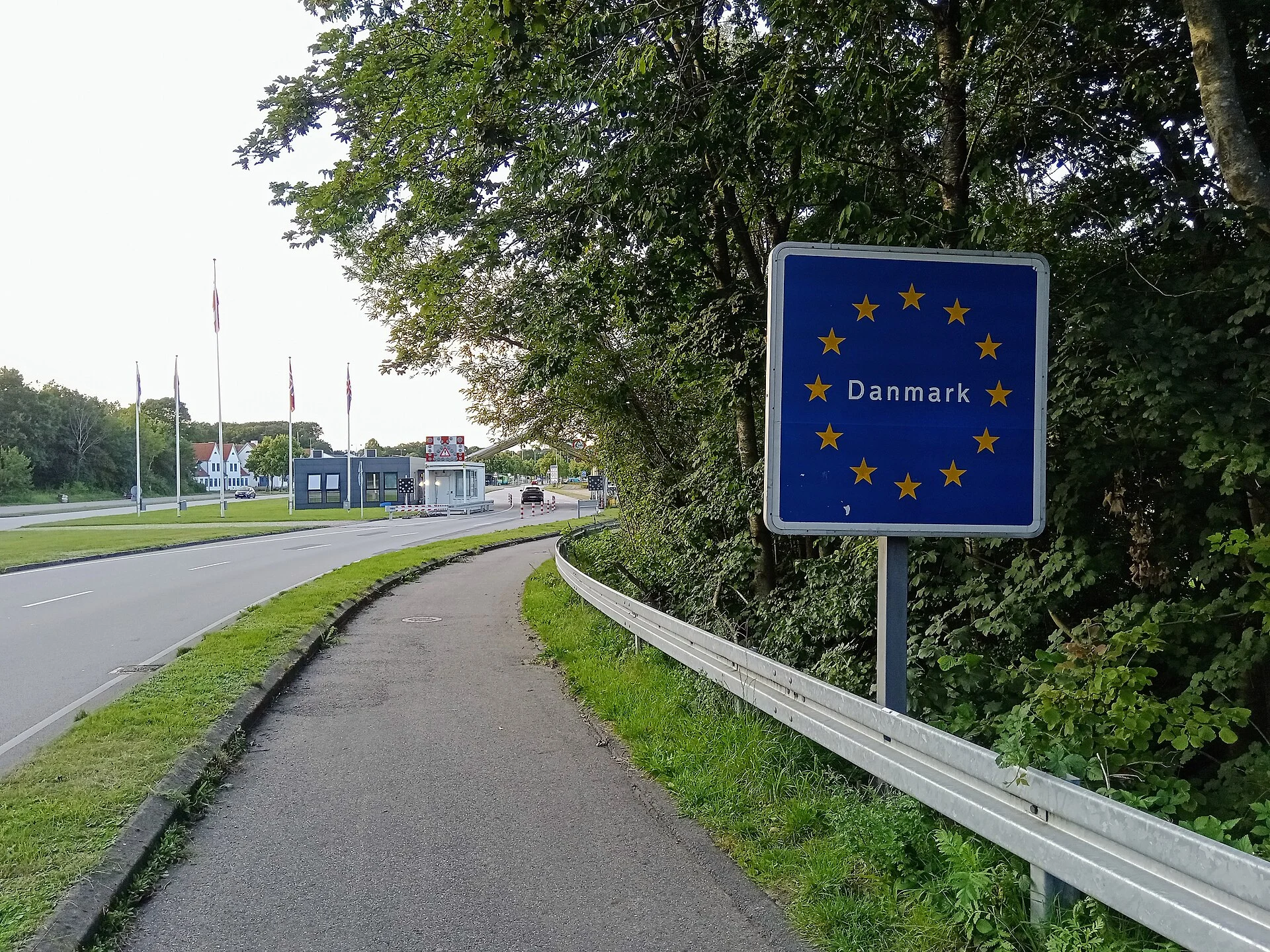
Business travelers moving between Europe and other markets face a hard limit: 90 days inside the Schengen area within any rolling 180-day period. The rule looks simple on paper, but the rolling calculation trips up frequent flyers who assume a fresh allowance resets every quarter.
The European Commission runs an official short-stay calculator for exactly this reason. And since April 2026, the counting is no longer done with ink stamps: a biometric border system now records every entry and exit electronically, closing off the informal margin that came with inconsistent passport stamping.
The Legal Basis for the 90-Day Limit
The limit comes from Article 6 of the Schengen Borders Code, Regulation (EU) 2016/399. It sets out entry conditions for third-country nationals making short stays “of a duration of no more than 90 days in any 180-day period,” and specifies that the 180-day period is calculated by considering the 180 days preceding each day of stay. The Commission describes the Borders Code as providing a single set of common rules governing external border checks, entry requirements and the duration of short stays across the area.
The Schengen area itself comprises 29 countries: 25 EU member states plus four non-EU countries — Iceland, Norway, Switzerland and Liechtenstein — according to the European Commission. Cyprus takes part in some Schengen cooperation but has not abolished internal border checks, and Ireland has an opt-out, though it participates in select measures such as the Schengen Information System.
The Commission says the area guarantees free movement to more than 450 million EU citizens and that over 3.5 million people cross internal Schengen borders daily for work, study or personal reasons without extra documentation. The same framework, the Commission notes, supports the EU’s single market by reducing administrative costs for businesses moving staff and goods across borders.
The EES by the Numbers
Between its phased rollout starting 12 October 2025 and reaching full operation on 10 April 2026, the EU’s Entry/Exit System registered more than 52 million border crossings and issued roughly 27,000 entry refusals, according to the European Commission.
How the Rolling 180-Day Window Is Counted
The Commission’s calculator works backward from any given day: for a day of stay or a planned entry date, it counts the preceding 180 days and totals how many of them were spent inside the Schengen area, including the day itself. If that total exceeds 90, the stay does not comply.
Because the reference window shifts forward with each new day, earlier trips gradually drop out of the calculation as more recent ones are added. Under Article 6(2), the day of entry counts as the first day of stay and the day of exit counts as the last day, so a traveler making several short trips across a year has to add up every one of them, not just the most recent visit. The 90/180-day period is calculated as a single period across all 29 Schengen countries under the Borders Code, meaning a stay of up to 90 days in any 180-day period is calculated against time spent anywhere in the area, not country by country.
Who Is Covered, and Who Is Exempt
The 90/180 rule governs short-stay visitors, whether they need a Schengen visa or come from a visa-exempt country. Business travelers making short trips for meetings, conferences or site visits generally fall under this framework unless they hold a long-stay, or type D, visa or a residence permit. The Commission notes that long-stay visas and residence permits for stays exceeding three months remain governed by individual member states’ national rules rather than by the harmonized short-stay framework.
Article 6(2) of the Borders Code excludes periods spent under a residence permit or long-stay visa from the 90/180 calculation entirely. An executive posted to one Schengen country on a residence permit who also makes separate short business trips to other Schengen states needs to track those short trips on their own timeline, apart from the residence period.
A New Digital System Is Now Enforcing the Limit
Passport stamps had been the main record of Schengen entries and exits for decades. The European Commission set 12 October 2025 as the start date for the Entry/Exit System, which began registering fingerprints, facial images and travel-document data at external borders across the 29 Schengen countries on a phased basis.
The system became fully operational at all external border-crossing points on 10 April 2026, according to the Commission, ending manual stamping. EU Commissioner for Internal Affairs and Migration Magnus Brunner said the system means the bloc is now “well equipped to identify overstayers, prevent irregular movements, and combat document and identity fraud.” By the time of the full launch, the system had already registered more than 52 million entries and exits, resulting in roughly 27,000 entry refusals, including more than 700 people flagged as security risks, per the Commission’s own figures. An earlier Commission update, published on 30 March 2026 — 11 days before the system reached full operation — put the running totals at over 45 million border crossings, more than 24,000 entry refusals and around 600 identified security risks, illustrating how quickly the system’s caseload grew as more borders came online.
With the Entry/Exit System now recording every crossing digitally across all 29 Schengen countries, the informal cushion that came with inconsistent passport stamping is gone.
What ETIAS Changes, and What It Doesn’t
A second system, the European Travel Information and Authorisation System, is due to start operations in the last quarter of 2026, according to the EU’s External Action Service. ETIAS will require nationals of visa-exempt countries to apply for a travel authorization before entering the Schengen area and Cyprus — a combined 30 countries — in order to screen for security, irregular-migration and public-health risks. EU and EEA nationals, UK Withdrawal Agreement beneficiaries, visa holders, and certain categories such as researchers, students and diplomats are exempt from the requirement.
The EUR-Lex summary of the ETIAS regulation states the authorization costs €20 and permits multiple entries over three years or until the traveler’s passport expires, whichever comes first; the EEAS’s own public guidance on the system has separately cited a fee of roughly €7 for most applicants, a discrepancy that reflects changes to the fee structure at different stages of the system’s development. Applications are processed within minutes in most cases, or within 96 hours at the latest, according to the EUR-Lex summary, though exceptional cases can take up to 30 days. The system checks applicant data against the Schengen Information System, EU visa databases, the Entry/Exit System and Europol records.
What is consistent across official material is that ETIAS does not extend the length of stay travelers are permitted. The EEAS notes that a valid authorization allows entry “as often as you want for short-term stays – normally for up to 90 days in any 180-day period.” The EUR-Lex summary also describes a transition period of at least six months after launch during which applications will be encouraged but entry will not be denied for lacking one, followed by a further grace period of at least six months for first-time entrants. ETIAS adds a pre-travel screening step on top of the existing 90/180-day limit rather than replacing or extending it.
Tools Frequent Travelers Can Use to Track Their Days
The European Commission publishes an official short-stay calculator that lets travelers enter previous Schengen entry and exit dates and check whether a planned trip would comply with the 90/180 rule. It is built for both border guards reviewing a traveler’s history and travelers planning ahead, and it applies the same rolling-window logic set out in the Borders Code.
With the Entry/Exit System now recording every crossing digitally across all 29 Schengen countries, the informal cushion that came with inconsistent passport stamping is gone. Frequent business travelers splitting time among several Schengen countries need to keep their own running log of dates, since every crossing now feeds into a single digital record shared across the area rather than a stamp that could be misread or missed at a busy border post.
Photo: Rémih · CC BY-SA 4.0