UN Chief Demands Israeli Pullout Amid Nabatieh Fighting
The UN Secretary-General condemned rising civilian deaths in southern Lebanon and urged Israel to withdraw its forces as clashes intensify near Nabatieh.
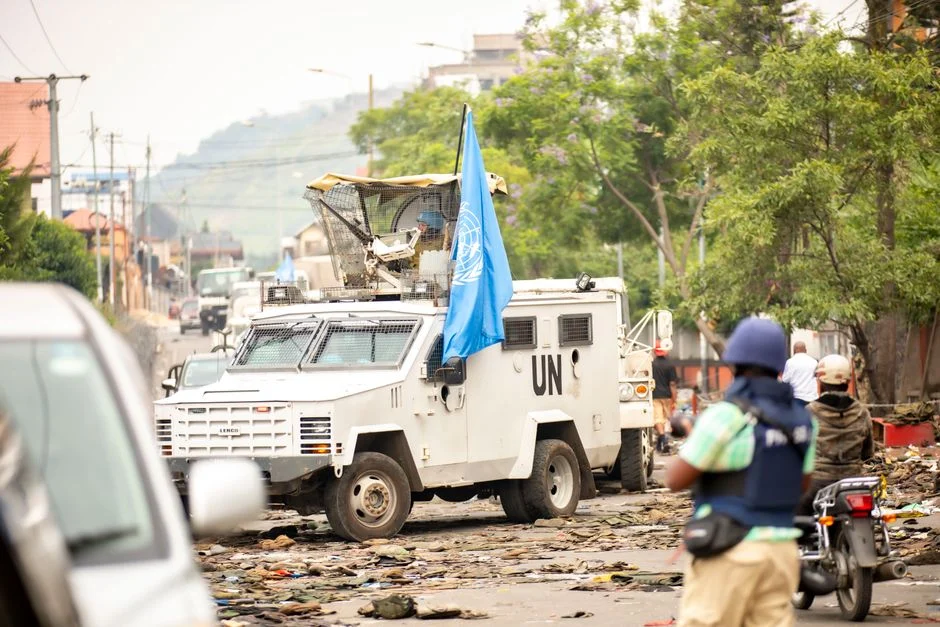
The United Nations Secretary-General has called on Israel to withdraw its military forces from southern Lebanon, condemning what he described as a mounting toll of civilian casualties as fighting escalates in and around the city of Nabatieh.
In a statement issued through the UN’s press office, the Secretary-General said he was deeply alarmed by reports of intensified strikes and ground operations in the area, warning that continued military activity risked triggering a wider humanitarian crisis. He urged all parties to exercise restraint and to respect obligations under international humanitarian law, which requires the protection of civilians and civilian infrastructure during armed conflict.
The statement singled out the situation in Nabatieh, a provincial capital that has repeatedly come under fire during rounds of hostilities between Israel and armed groups operating in Lebanon. According to the Secretary-General’s office, recent days have brought a sharp increase in reported casualties among residents, alongside damage to homes and local infrastructure. The UN has not yet published a comprehensive tally of the dead and wounded, but officials indicated that the figures were rising and that verification efforts were ongoing through UN agencies operating in the region.
Central to the appeal is a demand that Israeli forces withdraw from Lebanese territory, a call that echoes long-standing UN positions rooted in Security Council resolutions governing the Israel-Lebanon border. The Secretary-General’s office reiterated that any military presence beyond the internationally recognized Blue Line undermines efforts to stabilize the border area and complicates the work of UN peacekeepers stationed there to monitor the ceasefire arrangements between the two sides.
The renewed fighting comes against the backdrop of years of periodic conflict along the Israel-Lebanon frontier, an arrangement that has remained fragile since the 2006 war and subsequent ceasefire agreements. The United Nations Interim Force in Lebanon, known as UNIFIL, has operated in the border region for decades with a mandate to monitor hostilities, support the Lebanese army, and assist in maintaining calm between the two countries. Escalations of the kind reported around Nabatieh have historically drawn swift UN attention given the risk of civilian harm and the potential for a broader regional spillover.
Analysts who track the region note that southern Lebanon has long served as a flashpoint where cross-border tensions between Israel and armed factions can quickly intensify, drawing in civilian populations who bear the brunt of military operations. International organizations, including humanitarian agencies affiliated with the UN, have previously warned that displacement and infrastructure damage in the south of the country can strain Lebanon’s already fragile economy and public services, which have been under pressure amid the country’s prolonged financial crisis.
The Secretary-General’s appeal also reflects broader diplomatic concerns among UN member states about the durability of ceasefire arrangements in the area. Previous rounds of escalation have prompted emergency sessions at the Security Council and renewed diplomatic engagement from regional and international actors seeking to prevent a full-scale conflict. Officials familiar with UN mediation efforts say that de-escalation typically hinges on coordinated pressure from multiple governments alongside on-the-ground monitoring by peacekeeping forces.
The UN has not indicated a specific timeline for an Israeli withdrawal, nor has it detailed further steps it intends to take should the fighting continue. The Secretary-General’s office said it would continue to monitor the situation closely and engage with relevant parties to seek an immediate reduction in hostilities.
The announcement was reported by UN News.