UN Council Marks 9/11 With Focus On AI, Drone Threats
The Security Council convened to mark 25 years since the September 11 attacks, reviewing how militant groups now exploit drones and artificial intelligence.
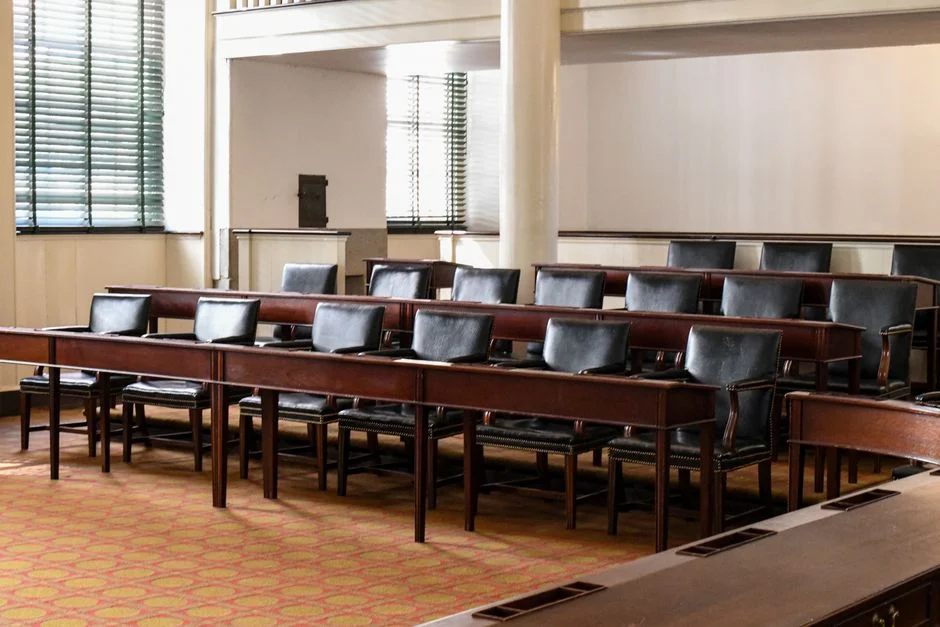
The United Nations Security Council gathered this week to mark 25 years since the September 11, 2001 attacks, using the anniversary to examine how extremist threats have evolved and to press member states on emerging dangers posed by artificial intelligence and drone technology.
Ambassadors and senior UN officials used the session to take stock of the counter-terrorism architecture built in the immediate aftermath of the attacks, when resolution 1373 established the legal and institutional framework that still underpins the council’s approach to combating extremist violence. Briefers highlighted how militant groups have increasingly turned to unmanned aerial systems and AI-enabled tools to plan, finance and carry out attacks, a shift that officials said demands updated international responses.
Speakers at the meeting described a threat landscape that looks markedly different from the one that prompted the council’s original counter-terrorism push a quarter-century ago. Rather than centralized networks reliant on conventional weapons, officials pointed to decentralized cells using commercially available drones for surveillance and attacks, alongside AI-generated propaganda and recruitment material that can be produced and disseminated at scale with minimal resources. The council was told that these tools have lowered the barrier for smaller groups and individuals to inflict harm once associated only with larger, well-funded organizations.
Officials also noted that terrorist financing methods have shifted alongside technology, with digital currencies and online platforms complicating efforts to trace funds. The session underscored calls for member states to strengthen information-sharing mechanisms and update national legislation to address threats that did not exist when the council’s counter-terrorism committee was first established.
The anniversary session reflects a broader reckoning within multilateral institutions over how counter-terrorism frameworks, largely designed in the early 2000s, have kept pace with technological change. In the years following the September 11 attacks, international efforts concentrated on cutting off financing networks, tightening border security and dismantling hierarchical organizations such as al-Qaeda. Analysts have long noted that those tools were built for a different era, one before smartphones, social media platforms and consumer drones became widely accessible.
The rise of low-cost drones has been of particular concern to security officials worldwide, with militant and insurgent groups in multiple conflict zones adapting commercial models for reconnaissance and attacks. Similarly, the rapid spread of generative AI has raised alarms among counter-terrorism experts about its potential use in producing convincing disinformation, automating recruitment outreach, and even assisting in the planning of attacks. Governments and international bodies, including the UN’s own counter-terrorism office, have in recent years pushed for new guidelines and technical standards aimed at limiting the misuse of such technologies without stifling their legitimate civilian and commercial applications.
The Security Council’s counter-terrorism machinery, anchored by the Counter-Terrorism Committee and its executive directorate, has periodically updated its mandates to reflect new threats, including foreign fighters, online radicalization and, more recently, emerging technologies. Diplomats at the session were expected to discuss whether existing resolutions provide sufficient authority to address AI and drone-related risks or whether new measures are needed.
The meeting closed without a formal resolution, though officials indicated that further consultations on updating counter-terrorism guidance are likely in the coming months, according to a United Nations account of the session.