WFP Says Food Aid Vital To Halt DR Congo Ebola
The UN's World Food Programme says food assistance is essential to containing an Ebola outbreak spreading through eastern DR Congo.
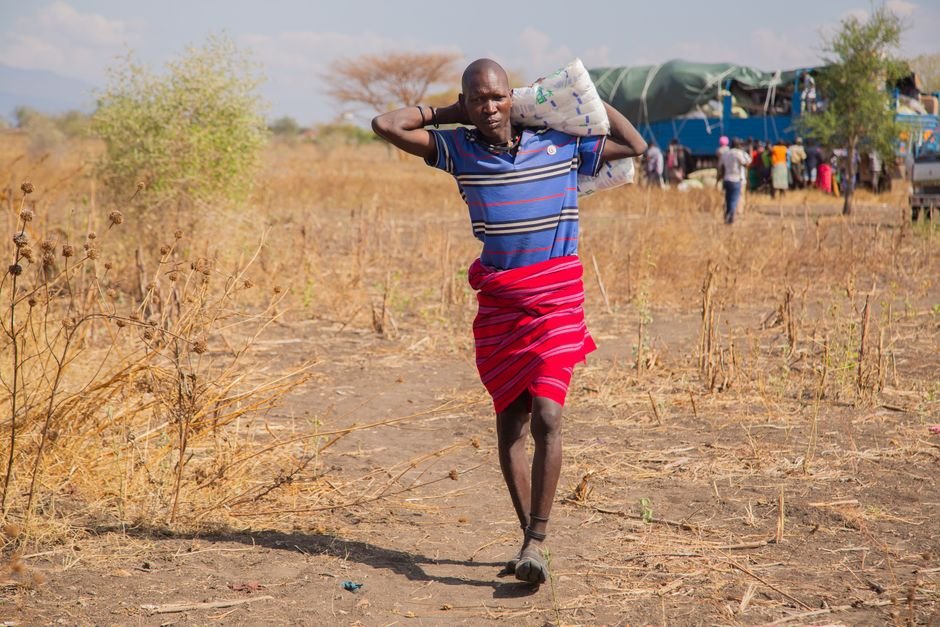
The World Food Programme has warned that efforts to contain a fresh outbreak of Ebola in the eastern Democratic Republic of the Congo will fail unless affected communities also receive adequate food assistance. The agency said hunger and disease are becoming dangerously intertwined as the virus spreads through a region already gripped by conflict and displacement.
According to the UN agency, families in areas hit by the outbreak face an impossible choice between staying home to avoid infection and venturing out in search of food and income. That dilemma, officials said, is undermining containment measures, since people who cannot access enough food are more likely to travel between villages, visit crowded markets, or resist quarantine measures that isolate them from sources of income and sustenance.
WFP officials stressed that ensuring steady access to food is not simply a humanitarian add-on but a core pillar of any effective Ebola response. Without it, they argue, public health teams will struggle to convince communities to comply with isolation protocols, seek early treatment, or report suspected cases, all of which are essential to breaking chains of transmission. The agency said it is working alongside health authorities and other humanitarian partners to deliver food and nutritional support to households affected by the outbreak, including those in quarantine and families of confirmed patients.
Eastern DR Congo has for years been one of the most difficult operating environments for humanitarian agencies. The provinces of North Kivu and Ituri, where previous Ebola outbreaks have also struck, are marked by ongoing armed conflict, mass displacement, and fragile infrastructure. Aid convoys frequently face security risks, and health workers have in the past been targeted amid mistrust of outside intervention, complicating efforts to reach communities quickly. This latest outbreak adds another layer of strain to a population already coping with insecurity and food shortages.
The region’s experience with Ebola dates back to a major epidemic between 2018 and 2020, the second-deadliest in history after the West African outbreak of 2014-2016, which killed thousands and required a massive international response. Lessons from that crisis showed that medical interventions alone were insufficient; community engagement, trust-building, and economic support proved just as critical to ending transmission. Public health experts have since argued that outbreak responses must be paired with social and economic assistance to be effective, particularly in areas where poverty and conflict already limit access to food and healthcare.
Humanitarian organizations operating in the DRC have repeatedly flagged funding shortfalls as a persistent obstacle. The country remains one of the largest and most complex humanitarian emergencies globally, with millions of people facing acute food insecurity due to conflict, displacement, and economic instability, independent of any disease outbreak. Aid agencies say that stretched budgets make it harder to scale up rapid, integrated responses that combine health, food security, and protection services when new health emergencies emerge.
WFP has not detailed the exact number of people it plans to assist in this latest response or specified funding requirements, but the agency indicated that food distributions are being coordinated with local health officials to target the most vulnerable, including quarantined households and communities near confirmed case sites.
The warning comes as international attention turns once again to the DRC’s capacity to manage recurring health crises amid chronic instability. Aid officials say sustained investment in both health systems and food security will be necessary to prevent future outbreaks from spiraling into broader humanitarian emergencies.
This report is based on information from a United Nations News release.