How Dollar Dominance in 89% of FX Trades Cuts US Borrowing Costs
The dollar's role as the world's reserve currency lets the US government borrow more cheaply than it otherwise could. But geopolitical shifts and fiscal pressures are testing that advantage.
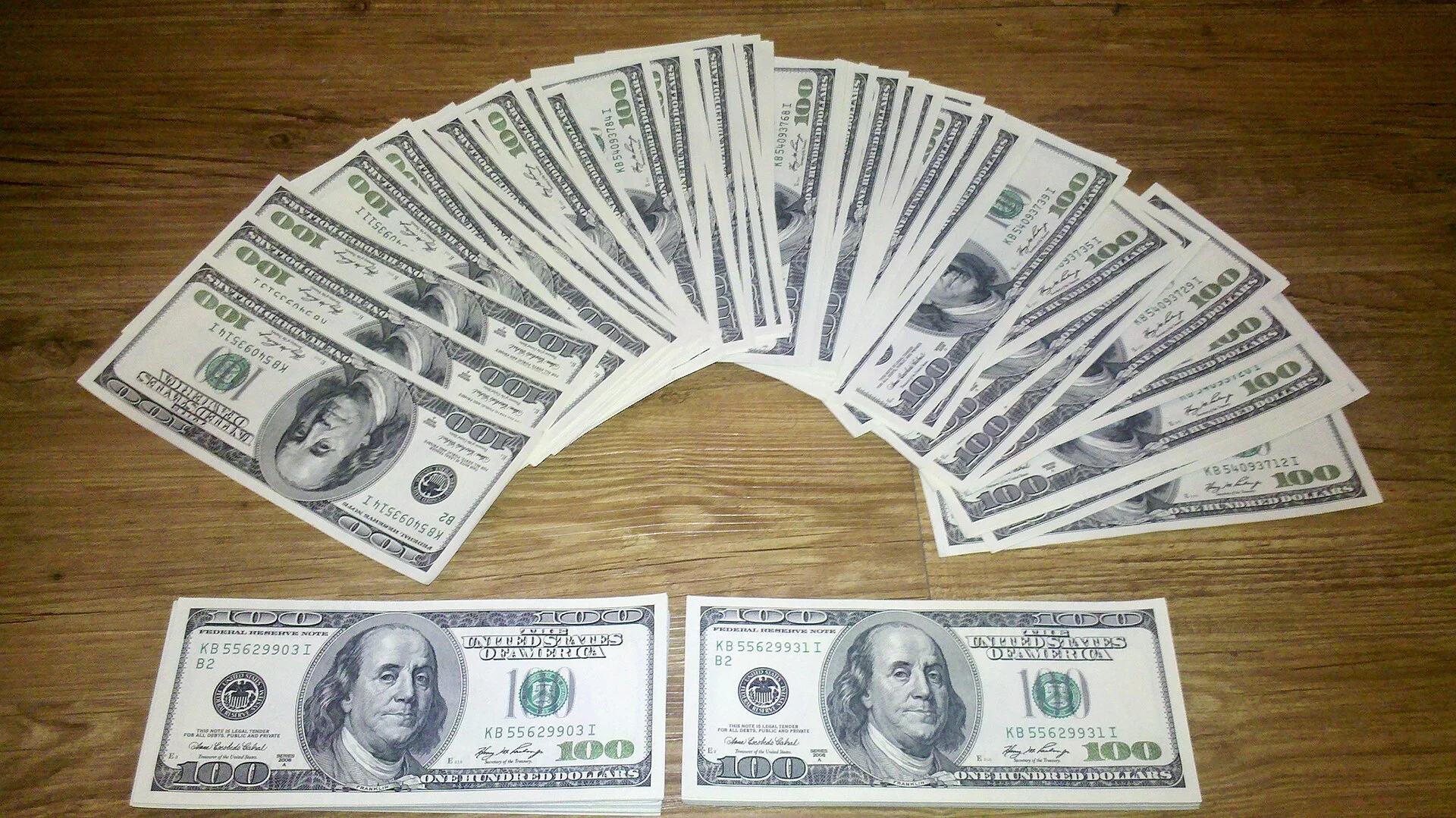
When foreign central banks, governments and investors want to hold safe assets, they reach for US Treasury bonds. That structural demand keeps Treasury yields lower than they would be if the market were simply pricing US government debt on its own merit. Because the US government does not need to offer as high an interest rate to attract buyers, it borrows more cheaply than it otherwise could.
This advantage exists because the dollar handles an oversized share of the world’s business. The dollar appears in approximately 89 percent of all foreign exchange trades globally, and central banks and governments hold roughly 57 percent of their foreign exchange reserves in dollars, compared to 20 percent in euros. When that much of the global financial system runs through a single currency, the country that issues it can borrow on uniquely favorable terms.
How Demand for Dollars Translates Into Lower Rates
The mechanics are straightforward. When foreign investors or central banks want to park reserves somewhere safe and liquid, they overwhelmingly choose US Treasury securities. More buyers competing for limited Treasury supply pushes prices up and yields down. The US government does not need to offer higher interest rates to attract buyers the way smaller or less stable countries must.
Consider the yield gap between the US and other wealthy nations. As of mid-August 2026, US 10-year Treasury yields stood at around 4.74 percent, more than 1.7 percentage points above Japan’s 10-year borrowing costs, which had risen to a three-decade high but remained just under 3 percent. That gap is a reminder that reserve currency status is only one of several factors shaping a government’s borrowing costs, alongside its own monetary policy and economic conditions.
This advantage accumulated over decades. The dollar has served as the world’s leading reserve currency since World War II. No other currency combines the same depth of markets, legal certainty, US military and economic power, and the sheer size of the US economy. Alternatives have emerged, but none has dislodged the dollar from its role as the currency that central banks use to settle accounts and store value.
The Reserve Currency Math
The dollar’s dominance — about 89 percent of foreign exchange trades and roughly 57 percent of global foreign exchange reserves, compared with 20 percent for the euro — creates structural demand for Treasury securities. That demand lets the US government borrow without offering as high an interest rate as it otherwise would, lowering its borrowing costs.
What Economic Fundamentals Actually Support Dollar Demand
Reserve currency status matters, but it is not the whole story. Much of the dollar’s strength reflects the simple fact that the US economy remains the world’s largest, most productive and most stable over long periods. US Treasury bonds are safe because America has a long track record of paying its debts and maintains independent control of its monetary policy through the Federal Reserve.
That stability cannot be taken for granted. By August 2026, thirty-year US Treasury yields hit their highest level since 2007, as inflation concerns returned and the scale of US fiscal imbalances became harder to ignore. When bond investors demand higher yields on long-term US debt, the borrowing advantage from reserve status shrinks. An investor willing to hold Treasuries at lower rates because they are denominated in the reserve currency will not tolerate rates that lag inflation for long.
How Geopolitical Risk Could Undermine the Dollar’s Advantage
Several structural pressures now threaten the dollar’s dominance. US political polarization raises questions about whether American governance can remain stable enough to merit safe-haven status. US Treasuries are increasingly held by private investors rather than foreign governments and central banks, complicating the picture of who is financing Washington’s deficits.
The most visible challenge comes from efforts to create alternatives. The BRICS coalition has accelerated work on payment systems that reduce reliance on the dollar. At the 18th BRICS Summit, held in India under its 2026 presidency, member states are expected to continue discussions on the BRICS Cross-Border Payments Initiative and on linking central-bank digital currencies, though officials have kept de-dollarization rhetoric subdued.
These systems remain far too small to replace the dollar. But they signal that major economies are preparing for a future in which dollar dominance is less assured. China has increased the share of its goods trade settled in yuan from about 12 percent in 2018 to about 28 percent in 2025. Russia, cut off from dollar-based systems by sanctions, has accelerated its own alternative arrangements. Even traditional US allies are now weighing reductions in their exposure to the dollar.
When that much of the global financial system runs through a single currency, the country that issues it can borrow on uniquely favorable terms.
Why the Dollar’s Position Remains Strong but Fragile
No currency today offers what the dollar does: massive, liquid markets; enforcement of contracts through independent courts; a central bank that prioritizes price stability; and the military and economic resources of the United States behind it. A shift away from dollar dominance would require not just BRICS alternatives to work, but for China, India or Russia to demonstrate that their currencies offer the same combination of safety and stability. That remains a distant prospect.
More immediately, the dollar faces risks from within America. If US political dysfunction deepens, or if fiscal imbalances grow large enough to make investors question whether America will pay its debts, then demand for Treasuries would fall and borrowing costs would rise—eliminating the exorbitant privilege the reserve currency has long provided. Private investors already hold an increasing share of US Treasuries, complicating the picture of whether foreign governments remain committed to financing US debt.
The dollar’s position remains secure in the near and medium term, though it follows a modest long-term declining trend. That decline might quicken if US political confidence erodes faster than expected or if alternatives mature beyond pilot programs. For now, Washington’s borrowing advantage persists, but it depends on something no central bank can fully control: the world’s continuing belief that the American system, for all its flaws, remains the most reliable anchor for global finance.