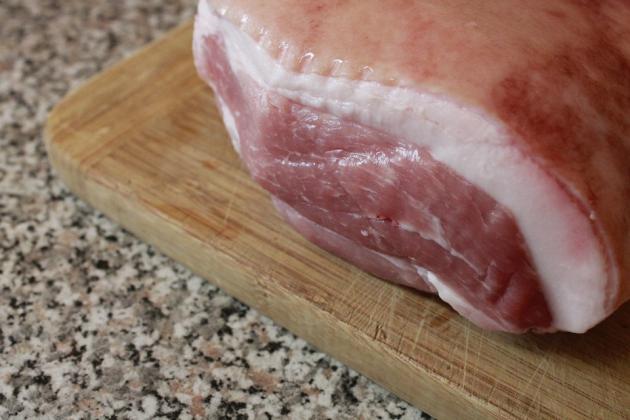
Vietnam has emerged as the world’s fourth-largest consumer of pork and the top consumer in Southeast Asia, with average intake reaching nearly 39kg per person in 2025.
The figures were released in a report by the Ministry of Industry and Trade’s Department of Domestic Market Management and Development, which highlighted pork’s central role in Vietnamese diets and its significant influence on the country’s Consumer Price Index (CPI).
According to official data, pork consumption in Vietnam has risen steadily in recent years. Average per capita consumption stood at about 30kg in 2021, increased to roughly 37kg in 2024 and climbed further to around 39kg last year. Pork now makes up more than 63% of total livestock product consumption in the country.
The department noted that pork plays a critical role in the domestic food market, particularly during peak festive seasons. As the Lunar New Year, known locally as Tet, approaches, demand for pork typically rises by 10–15%.
The Ministry of Agriculture and Environment reported that the livestock sector recorded strong growth last year, producing 8.6 million tonnes of meat, including 5.4 million tonnes of pork. Authorities said this output is sufficient to meet demand during the Tet holiday period.
Pham Kim Dang, deputy director of the ministry’s Department of Animal Husbandry and Veterinary Medicine, said there had been concerns about possible supply shortages due to natural disasters and disease outbreaks in the past year. However, the national pig population currently stands at about 31.4 million, which officials say is adequate to meet festive demand.
Live pig prices are currently trading at around 71,000 to 74,000 Vietnamese dong (US$2.73 to US$2.85) per kilogramme. Although slightly lower than levels seen last month, analysts say prices remain elevated. In January, prices briefly surged to 81,000 dong per kilogramme, an increase described as unusual by industry observers.
Nguyen Xuan Duong, chairman of the Vietnam Livestock Association, said pork prices have been affected in part by speculative activity and the psychology of small-scale traders.
Given pork’s substantial weight in Vietnam’s consumer basket, sharp price increases could directly affect household budgets and exert upward pressure on the national CPI, experts warned.