Southwest Floods Lift Lake Powell More Than 20 Feet but Drought Persists
Late-October and early-November storms raised Lake Powell by more than 20 feet from its mid-September low, yet the reservoir is just over a quarter full and Colorado River cuts stay in place.
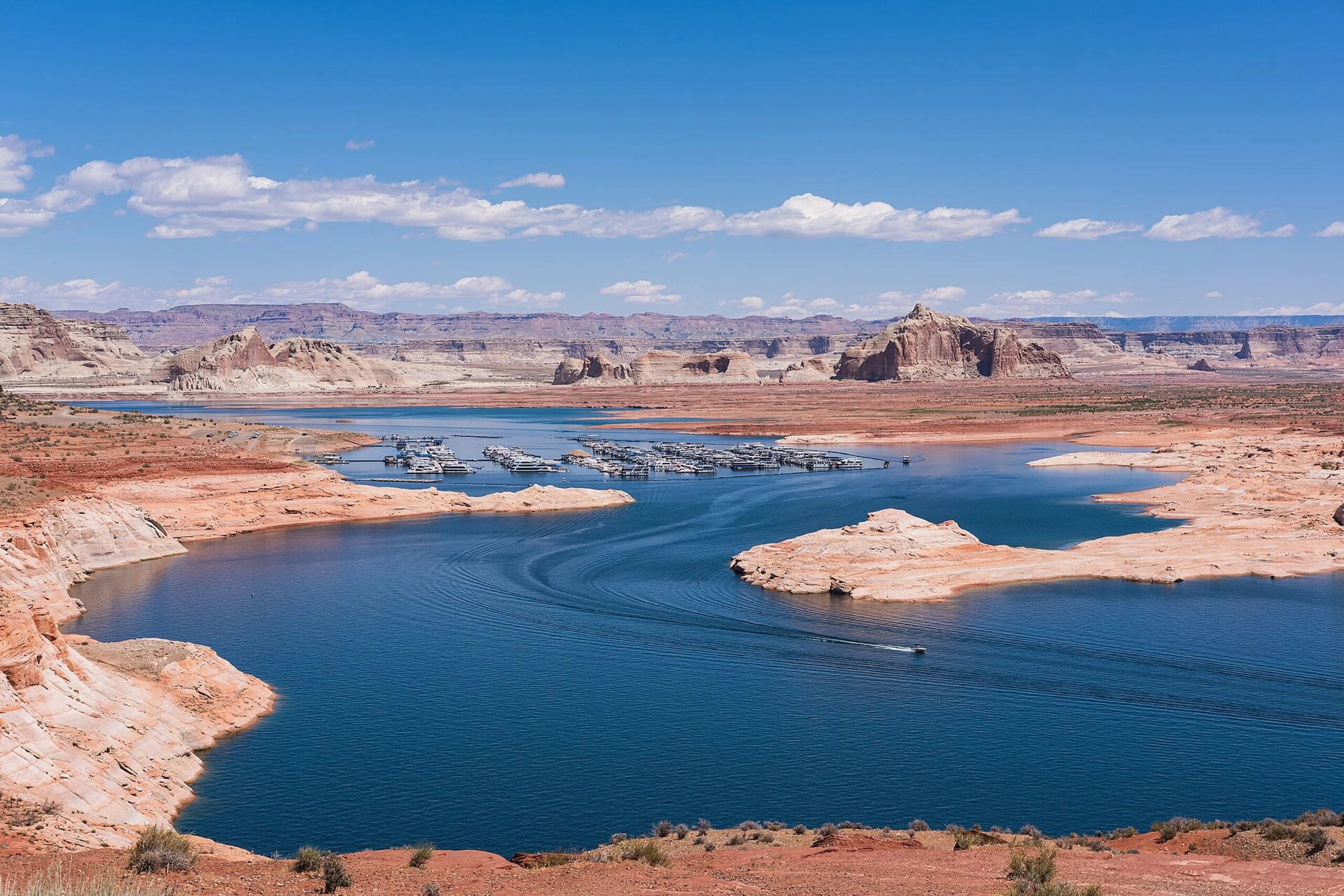
Storms across the US Southwest in late October and early November have raised Lake Powell by more than 20 feet from its mid-September low, the Associated Press reported on Nov. 9, 2026. Hundreds of people were told to evacuate, and the flooding cut off access to some areas. Most of that water will end up feeding depleted lakes and underground aquifers, according to climate scientist Martin Hoerling.
The lake still sits just over a quarter full, and the region remains in drought. Kathryn Sorensen said the rain gives some breathing room, and KJZZ reported it is unlikely to change planned cutbacks to Arizona’s Colorado River supply.
What the Storms Did to Reservoirs
The AP said 15 of Lake Powell’s 17 boat launches were unusable as of Friday, despite the rise. Hoerling estimated that floodwaters and additional rain could raise the lake for a total of over 1.2 million acre-feet, enough to support around 4 million average families for a year.
Measurements of the gain differ by source and period. KJZZ reported on Nov. 4 that the lake rose about 14 feet after the storms and went from about 23% to about 26% full since Oct. 20.
Pagosa Springs, Colorado, received about 7 inches of rain in October, and water restrictions covering more than 10,000 residents have been lifted. Upper Lake Mary, which supplies up to 40% of Flagstaff’s water, has taken in more than 3 billion gallons since early October.
KJZZ reported that the Salt and Verde reservoirs near Phoenix rose from 48% full on Oct. 1 to 69% as of Nov. 4. Navajo Reservoir in New Mexico went from about 50% full at the start of October to about 80% in early November. Water officials also released water from two nearly full dams into a normally dry stretch of the Verde River in the Phoenix area.
Lake Powell by the Numbers
The Associated Press reported on Nov. 9, 2026 that Lake Powell has risen more than 20 feet from its mid-September low but remains just over a quarter full. The Bureau of Reclamation listed it at 22% of live capacity at the end of September.
Why the Lake Is Still Far Below Normal
Lake Powell and Lake Mead both hit record lows in August, according to the New York Times Q&A. It reported that Powell was at 41% of its average for the time of year in early November, based on records back to 1963.
The Bureau of Reclamation’s Glen Canyon Dam page, last updated Oct. 15, listed Powell at 3,518.08 feet at the end of September, about 182 feet below full pool, with 5.16 million acre-feet in storage, or 22% of live capacity. Its August 24-Month Study projected the lake to fall below 3,510 feet during water year 2027.
The Times piece said the April–July inflow, when snowmelt normally refills the reservoir, was about 1.1 million acre-feet, the second-lowest on record for that period. Snowpack supplies roughly 80% of the river’s flow in a typical year.
KJZZ quoted Nolie Templeton of the Central Arizona Project calling the rain “quite literally a drop in the bucket” amid a 27-year drought. She estimated that about five consecutive above-average snow winters would be needed to bring Powell halfway full.
What It Means for Water Users and Cuts
The Colorado River basin supplies about 40 million people and 5.5 million acres of farmland, according to the Times Q&A. Under the federal plan described by the AP, California, Nevada and Arizona will collectively reduce use by 1.25 million acre-feet a year over the next two years, with larger cuts possible.
KJZZ reported that the rains are not expected to change the planned cutbacks to Arizona’s Colorado River supply, which are scheduled to begin in the new year. Nevada and Arizona are challenging the federal plan in court, the AP said.
Kathryn Sorensen of Arizona State University’s Kyl Center for Water Policy told the Times the rain offers breathing room, but that “we’ve just got to see how much it snows this year.” Cody Moser of the Colorado Basin River Forecast Center said there is no observed link between wet falls and snowy winters.
A Bureau of Reclamation spokesperson told the AP that conditions have improved but “considerable uncertainty remains.” Hoerling said the region needs to work out how to be resilient in a drier future.
The lake still sits just over a quarter full, and the region remains in drought.
What Happens Next
As of Nov. 9, the AP reported that the Bureau of Reclamation is unlikely to change Lake Powell or other Colorado River releases until it knows when snowpack has peaked, typically around April. The current El Niño pattern, which the AP said has intensified the heavy rain, is expected to last several more months.
Some Arizona cities have agreed to fund preliminary work to expand an existing dam on the Verde River. The AP said the work is meant to capture storm runoff and reduce reliance on the Colorado River.
The court challenge by Nevada and Arizona to the federal Colorado River plan is ongoing.