Trump Orders Wind Turbine Import Talks Under Section 232, With No New Tariff
A 22 October 2026 proclamation directs Commerce and the USTR to negotiate on wind turbine imports under Section 232 and sets no new tariff, quota or import restriction.
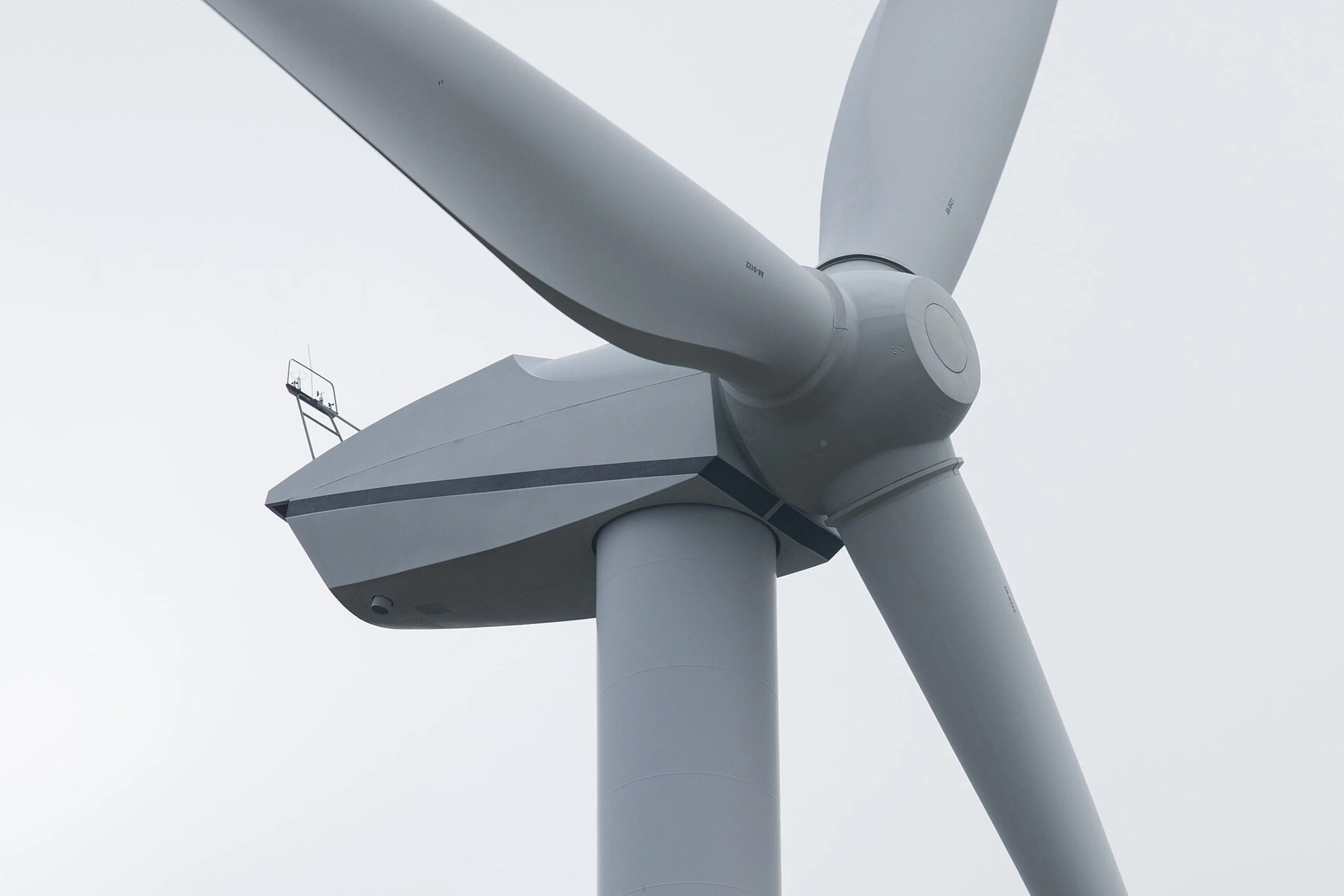
President Donald Trump signed a proclamation on 22 October 2026 adjusting imports of wind turbines and their parts and components into the United States. It directs the Secretary of Commerce and the US Trade Representative to pursue negotiations with foreign trading partners, and it sets no new tariff, quota or import restriction. The action follows a Section 232 investigation under the Trade Expansion Act of 1962, which the Commerce Department opened in August 2025.
For wind energy developers, the immediate change is limited. Turbines and components face no new duty under the proclamation. Duties already in force under earlier proclamations on aluminium, steel and copper continue, and the proclamation states that it does not modify them.
What the Proclamation Sets, and What It Leaves Out
The proclamation records the President’s agreement with the Commerce Secretary’s finding that wind turbines, along with their components and subcomponents, are imported in circumstances that threaten to impair the national security. The operative step is negotiation rather than duties. The proclamation sets no tariff, but it keeps tariffs open as a later option.
The text names no trading partner and no agreement. It sets no tariff rate, quota or licensing requirement. If an agreement is not entered into within 180 days, is not carried out, or is ineffective, the President may take other actions to adjust imports. yourNEWS reports that these could include tariffs. The proclamation also cites section 604 of the Trade Act of 1974 and section 301 of title 3 of the US Code as legal authority.
The proclamation states that Section 232 allows a plan of action that adjusts over time, including negotiations and tariffs. It also says section 604 allows the action to be placed in the Harmonized Tariff Schedule of the United States.
The Deadline Set in the Proclamation
The Secretary of Commerce and the US Trade Representative must provide at least one update on negotiations within 180 days of the proclamation. Counted from the 22 October 2026 signing, that falls around 20 April 2027.
How It Sits Beside Existing Metal Duties on Components
The proclamation refers to three earlier proclamations: 9704 for aluminium, dated 8 March 2018, 9705 for steel, dated 8 March 2018, and 10962 for copper, dated 30 July 2025, each as amended. Certain wind turbine components and subcomponents that contain significant amounts of those metals are already subject to tariffs under them.
The new proclamation states that it does not modify those tariffs or any other Section 232 tariffs. Duties on these components are therefore unchanged by this action. The proclamation does not restate the duty rates or list the covered parts, and it supersedes inconsistent earlier proclamations and executive orders.
The proclamation also includes a severability clause. If any provision, or its application, is held invalid, the rest of the proclamation and its other applications are not affected.
The 180-Day Negotiating Clock and Who Reports
The Secretary of Commerce and the US Trade Representative must give the President at least one update on negotiations within 180 days of the proclamation. Counted from the 22 October 2026 signing, that deadline falls around 20 April 2027. The Secretary must also keep monitoring imports, review their national security status and alert the President to circumstances that may warrant further action.
The proclamation directs the two officials to pursue or continue negotiations with foreign trading partners, and, depending on the status or outcome of those negotiations, the President may consider alternative remedies in the future.
Sources differ on who reports. The proclamation and Windtech International describe Commerce and the USTR acting jointly. Thompson Hine LLP says Commerce is directed to conduct the talks and report back, and does not mention the USTR. yourNEWS names Commerce Secretary Howard Lutnick and USTR Jamieson Greer as the officials who must update the President.
The proclamation sets no tariff, but it keeps tariffs open as a later option.
Security Findings and Official Statements
The findings cite cybersecurity risks in wind energy products, particularly foreign imported ones, that could lead to remote control access to wind turbines. They also cite radar interference, grid reliability concerns tied to wind’s intermittent output, and growing reliance on imported components. Thompson Hine LLP reports that US reliance on imported turbines has grown over the past decade while domestic manufacturing capacity has not meaningfully increased.
The proclamation adds that the vast majority of these inverters are produced outside the United States, and that modern networked inverters can allow remote access and interference with United States power systems. It says wind’s intermittency means grid operators rely on fast-ramping fossil backup generators, which raises operating costs and maintenance burdens.
On radar, the proclamation says wind turbines create clutter that can obscure targets, generate false targets and affect weather forecasting, air traffic management and military radar. Thompson Hine LLP lists air traffic control, weather forecasting, homeland security and national defense among the affected areas.
yourNEWS reports that Trump determined negotiations with foreign trading partners are necessary and appropriate. Citing Reuters, yourNEWS reports that the American Clean Power Association had not immediately issued a public response to the proclamation.